
Techfullpost

Tecno Spark Slim: Could This Be the World’s Thinnest Smartphone with a Massive Battery?

techno spark slim/techfullnews

The smartphone industry is no stranger to innovation, and 2025 is shaping up to be the year of ultra-slim devices. Leading the charge is Tecno, a brand known for pushing boundaries in mobile technology. At MWC 2025 (Mobile World Congress), Tecno is set to unveil its latest concept device, the Spark Slim, which could potentially claim the title of the world’s thinnest smartphone. But that’s not all—this sleek device also packs a surprisingly large battery, defying expectations for such a slim profile. Let’s take a closer look at what makes the Tecno Spark Slim a potential game-changer.


The Tecno Spark Slim: A Marvel of Engineering

The Tecno Spark Slim is designed to be a trailblazer in the ultra-thin smartphone category. Here are the key specs that make it stand out:

1. Unmatched Thinness

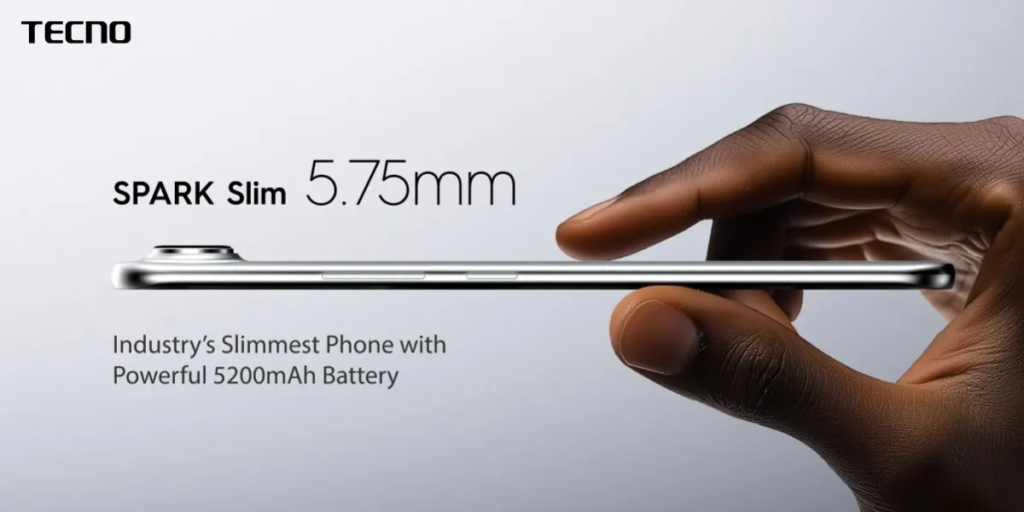
The Spark Slim boasts a jaw-dropping thickness of just 5.75mm, making it over 33% thinner than the Galaxy S25 Ultra (8.6mm) and nearly 2mm slimmer than the iPhone 16 (7.6mm). If released, it could easily claim the title of the world’s thinnest smartphone—at least until competitors like Apple potentially unveil the rumored iPhone 17 “Air” with a thickness of 5.5mm.

2. Impressive Battery Capacity

Despite its ultra-slim design, the Spark Slim doesn’t compromise on battery life. Tecno has managed to fit a 5,200 mAh battery into the device, which is 200 mAh larger than the battery in the Galaxy S25 Ultra. This is a remarkable achievement, considering the Spark Slim’s significantly thinner profile.

3. Cutting-Edge Battery Technology

The secret behind the Spark Slim’s slim yet powerful design lies in its use of silicone-carbon battery technology. This advanced tech, also employed by brands like OnePlus and Oppo, allows for higher energy density, enabling manufacturers to pack larger batteries into slimmer devices. For example, OnePlus has used this technology to fit 6,000 mAh batteries into its flagship models.


Is the Tecno Spark Slim Too Good to Be True?

While the Spark Slim’s specs are undeniably impressive, there’s a catch: it’s still just a concept. Tecno has a history of showcasing groundbreaking concept devices at MWC, many of which never make it to market. For instance, last year, the company unveiled a rollable smartphone concept that has yet to see the light of day.

In a statement, Tecno described the Spark Slim as a “boundary-pushing concept device” that showcases “advanced technologies and revolutionary materials.” The company emphasized that the device is designed to lead the next wave of ultra-thin smartphone design without compromising on performance.


The Challenges of Ultra-Thin Smartphones

While the idea of an ultra-thin smartphone is appealing, it comes with its own set of challenges:

1. Durability

Thinner devices are often more prone to bending or breaking, especially under pressure. Tecno will need to ensure that the Spark Slim is robust enough to withstand everyday use.

2. Thermal Management

Slimmer designs can lead to overheating issues, particularly when paired with high-performance components. Effective thermal management will be crucial to maintaining the device’s performance and longevity.

3. Market Demand

While ultra-thin smartphones are impressive, consumers often prioritize features like battery life, camera quality, and durability over slimness. Tecno will need to strike a balance between aesthetics and functionality to appeal to a broad audience.


What This Means for the Smartphone Industry
image 18

The Tecno Spark Slim represents a bold step forward in smartphone design. If Tecno can bring this concept to market, it could set a new standard for ultra-thin devices, challenging industry giants like Samsung and Apple to innovate further.

Potential Competitors

  • Samsung Galaxy S25 Edge: Rumored to be 5.84mm thick, this device could be a direct competitor to the Spark Slim.
  • iPhone 17 “Air”: Apple’s rumored ultra-thin iPhone, with a thickness of 5.5mm, could steal the spotlight if it launches before the Spark Slim.

The Future of Smartphone Design

The Spark Slim highlights the growing trend of combining sleek designs with powerful performance. As battery technology continues to evolve, we can expect to see more devices that defy traditional size constraints, offering both style and substance.


Should You Be Excited About the Tecno Spark Slim?

For tech enthusiasts, the Spark Slim is an exciting glimpse into the future of smartphone design. Its combination of ultra-thin form factor and impressive battery capacity is a testament to Tecno’s engineering prowess. However, until the device moves from concept to reality, it’s best to temper expectations.


A Bold Vision for the Future

The Tecno Spark Slim is more than just a concept—it’s a statement. By pushing the boundaries of what’s possible in smartphone design, Tecno is challenging the status quo and inspiring the industry to think differently. Whether or not the Spark Slim makes it to market, its unveiling at MWC 2025 is a reminder that innovation is alive and well in the world of mobile technology.

As we wait to see if the Spark Slim becomes a reality, one thing is clear: the race to create the world’s thinnest smartphone is heating up, and Tecno is leading the charge.

ADVERTISEMENT
RECOMMENDED
NEXT UP

Apple has quietly rolled out a major update to its App Store experience, officially launching a fully redesigned web-based App Store that allows users to browse and discover apps across all Apple devices from a single online hub. The move, first spotted by MacRumors and 9to5Mac, marks a significant expansion of Apple’s ecosystem — bringing the App Store’s signature design and features to the browser for the first time.

According to the company, it now has a modern, app-store-like interface that looks similar to the App Store on iPhones, iPads, Macs, and other products. The domain was previously used as a holding place that hosted static information about apps or redirected users to in-device App Store pages.

A Centralized Experience Across All Apple Platforms

image 5

The new update allows them to easily search through apps across device categories like iPhone, iPad, Mac, Vision Pro, Apple Watch, and even Apple TV. Each section provides curated app lists, editorial recommendations, and Apple’s popular “Today” tab to show off featured apps, developer spotlights, and trending downloads.

The interface also allows users to browse applications based on their categories, such as Productivity, Entertainment, Games, Education, and Health & Fitness, and provides a much more streamlined and searchable experience than in the past.

Search, Share, and Explore — But Not Download

While this new web-based App Store does introduce better navigation and search, Apple is retaining control over where the downloads actually happen: users cannot install apps directly from the web version of the store. Instead, the website offers quick options to share listings of apps or open them directly in the native App Store app on an Apple device.

This is a design choice in concert with Apple’s long-term ecosystem strategy: making sure all app installations continue to go through its official App Store infrastructure, where the company can enforce strict privacy, payment, and security controls.

Smarter Search Portal for Developers and Users

Another welcome improvement: A prominently placed search bar finally allows users to quickly find apps by name, category, and even developer. Apple’s web app pages were previously static, unindexed, and generally inaccessible unless directly linked to a page.

Now, with an interface that is entirely searchable, this latest Web App Store serves dually as a marketing tool for developers and a place of discovery for users, maximizing app exposure to bring developers’ creations in front of larger audiences outside of Apple’s devices.

Expanding Apple’s Ecosystem Online

Apple’s extension of the App Store’s web presence also comes at a time when regulators and users are increasingly pressing for more openness and accessibility across all digital platforms. In creating this new, more interactive web presence, Apple seems to be taking steps toward greater transparency and discoverability, if still through a tightly integrated ecosystem.

The update also comes amidst Apple’s growing focus on cross-device experiences – especially as it promotes new platforms like Apple Vision Pro, which integrates apps across immersive and traditional interfaces.

Looking Ahead: Apple’s Strategy in a Changing App Landscape

The launch of the web App Store might seem like a minor revision, but it shows that Apple is taking a long-term view to elevate discovery and engagement of apps beyond its hardware. By opening the App Store to any browser, Apple enhances the user experience and reinforces its developer ecosystem by providing greater visibility and traffic to millions of applications without compromising strict app distribution policies. This latest move by Apple strikes a careful balance between innovation, control, and accessibility in a world of rapidly evolving digital ecosystems and increasing regulatory pressures. This is where the App Store, as the linchpin of the Apple experience, is now more connected than ever.

Signal has rolled out a critical privacy-focused update for its Windows app, introducing a “screen security” setting that prevents the system from capturing screenshots—directly countering Microsoft’s controversial Recall feature.

This move reinforces Signal’s commitment to user privacy, ensuring sensitive conversations remain protected even against AI-powered background surveillance. Here’s everything you need to know.


Why Signal Is Blocking Windows Screenshots

Microsoft Recall: A Privacy Concern

Microsoft’s Recall feature (announced in 2023) continuously captures and stores screenshots of user activity, allowing Windows 11 users to “scroll back in time” and revisit past actions.

Despite Microsoft pausing Recall’s rollout after backlash, the company reintroduced it in April 2024 via the Windows Insider Preview Channel with key changes:
✔ Opt-in requirement (users must enable it manually)
✔ Pause functionality (temporary deactivation)

However, Signal argues that Recall still poses risks:
🔴 Potential exposure of sensitive chats (even if encrypted)
🔴 Lack of granular app-level control (Recall captures everything by default)

How Signal’s “Screen Security” Works

When enabled, this setting:
✅ Blocks Windows from screenshotting Signal’s window (shows a blank screen instead)
✅ Prevents Recall from storing private conversations
✅ Maintains end-to-end encryption integrity

⚠ Trade-off: Some accessibility tools (like screen readers) may not function properly with this setting active.


How to Enable (or Disable) Signal’s Screen Security

Step-by-Step Guide

  1. Open Signal Desktop
  2. Go to Settings > Privacy > Screen Security
  3. Toggle “Block screenshots” (enabled by default)

🔹 Disabling the feature requires confirmation (to prevent accidental deactivation).
🔹 A warning appears reminding users of potential privacy risks.


Signal’s Critique of Microsoft’s Approach

In a blog post, Signal expressed frustration with the need for such workarounds:

“We hope that AI teams building systems like Recall will consider these implications more carefully. Apps like Signal shouldn’t need a ‘one weird trick’ to protect user privacy—developers deserve better tools.”

Key Issues with Recall

🔸 No API for apps to opt out (forcing manual workarounds like Signal’s)
🔸 Potential security vulnerabilities (stored screenshots could be accessed by malware)
🔸 Privacy vs. convenience imbalance (users may not fully understand the risks)


What This Means for Windows Users

image 25

✔ Signal users gain stronger privacy protection against Recall.
✔ Other encrypted apps (like WhatsApp, Telegram) may follow suit.
✔ Microsoft faces continued scrutiny over AI-powered surveillance features.

Should You Disable Recall Entirely?

If privacy is a priority:

  1. Avoid enabling Recall (if using Windows Insider builds).
  2. Use Signal’s screen security for encrypted chats.
  3. Monitor future Windows updates for improved privacy controls.

Final Verdict: A Necessary Move for Privacy

Signal’s update highlights the growing tension between AI convenience and user privacy. While Microsoft positions Recall as a productivity tool, its always-on screenshotting raises legitimate security concerns.

By proactively blocking Recall, Signal sets a precedent—tech companies must prioritize privacy by design, not as an afterthought.

ADVERTISEMENT
Receive the latest news

Subscribe To Our Weekly Newsletter

Get notified about new articles