
Techfullpost

Skype Shuts Down as Microsoft Focuses on Teams

microsoft skype/techfullnews

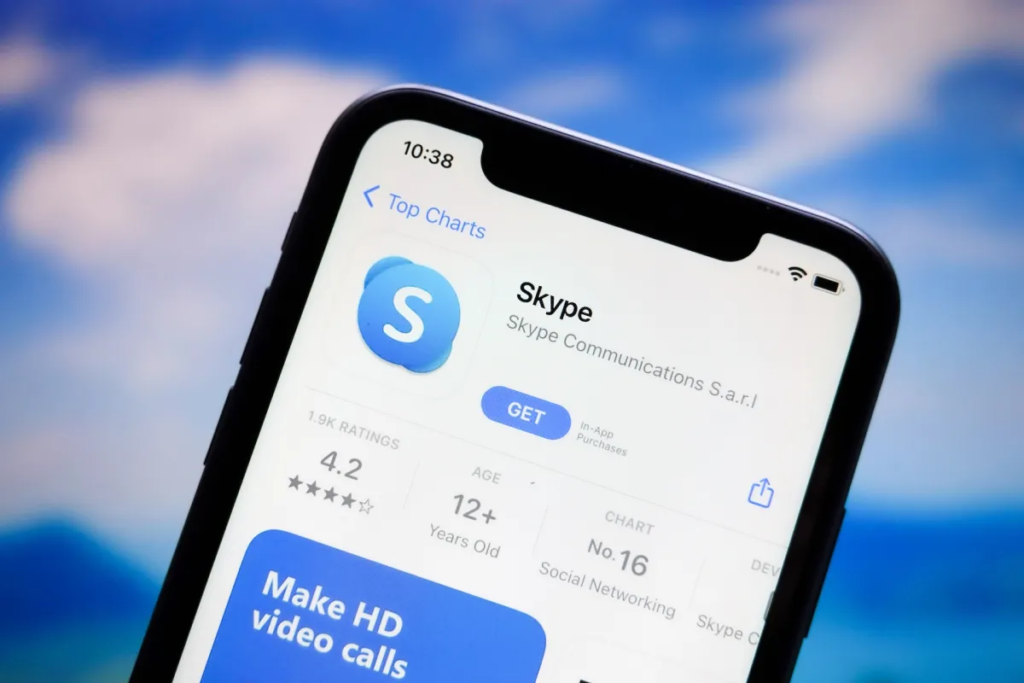
After 23 years of revolutionizing internet-based communication, Skype is officially retiring. Microsoft, which acquired Skype in 2011, announced that the iconic messaging and calling app will be shut down on May 5, 2025, as the company shifts its focus entirely to Microsoft Teams. This marks the end of an era for a platform that once boasted 300 million users and pioneered voice and video calls over the internet. But what does this mean for Skype’s remaining users, and why is Microsoft making this move now? Let’s dive into the details.


A Brief History of Skype

Launched in 2003, Skype was one of the first platforms to enable voice calls over the internet, transforming how people communicated globally. Its innovative technology allowed users to make free voice and video calls, send messages, and share files, making it a household name long before smartphones and apps like WhatsApp and Zoom became mainstream.

Microsoft acquired Skype in 2011 for $8.5 billion, hoping to integrate it into its ecosystem. At its peak in 2013, Skype had over 300 million users. However, as competitors emerged and consumer preferences shifted, Skype’s user base dwindled. By 2023, Microsoft reported just 36 million daily active users—a far cry from its heyday.


Why is Microsoft Shutting Down Skype?

The decision to retire Skype is part of Microsoft’s broader strategy to consolidate its communication tools under Microsoft Teams. Teams, which debuted in 2016, was initially positioned as a competitor to Slack, offering a platform for workplace collaboration. Over time, however, Teams evolved into a comprehensive communication tool, integrating chat, video calls, file sharing, and third-party app integrations.

Key Reasons for the Shift:

  1. Streamlining Resources: Maintaining two separate platforms (Skype and Teams) is resource-intensive. By focusing on Teams, Microsoft can allocate more resources to innovation and development.
  2. Declining User Base: Skype’s user numbers have plateaued, while Teams has grown exponentially, now boasting 320 million users.
  3. Market Trends: The rise of smartphones and apps like WhatsApp, Zoom, and FaceTime has made Skype less relevant for personal use.
  4. Integration with Microsoft Ecosystem: Teams is deeply integrated with Microsoft 365, making it a more cohesive solution for both personal and professional use.

What Happens to Skype Users?

Skype users have until May 5, 2025, to decide how to proceed. Microsoft is offering two main options:

1. Migrate to Microsoft Teams

Users can transfer their contacts, chat history, and data to Teams. Microsoft has made this process seamless, allowing users to log into Teams with their Skype credentials and automatically migrate their data. Teams offers additional features like calendar integration, collaborative workspaces, and advanced meeting tools, making it a more versatile platform.

2. Export Your Data

For those who prefer not to switch to Teams, Skype provides a built-in export tool to download chat history, contacts, and other data. However, there’s no direct way to import this data into other platforms, so users will need to manually save important information.

If no action is taken by May 5, Microsoft will retain user data until the end of 2025 before permanently deleting it.


What’s Changing with Teams?

While Teams is a powerful platform, it’s important to note that it lacks some features that were central to Skype’s appeal:

  • Phone Call Functionality: Teams Free does not support calling mobile or landline numbers, a hallmark feature of Skype.
  • Skype Numbers: Users will no longer be able to purchase or renew Skype phone numbers, though existing credits can still be used via a Skype Dial Pad integrated into Teams.

Microsoft argues that these changes reflect shifting consumer trends. With the widespread availability of mobile data plans, the need for traditional telephony services has diminished.


The Blurring Line Between Personal and Professional Use
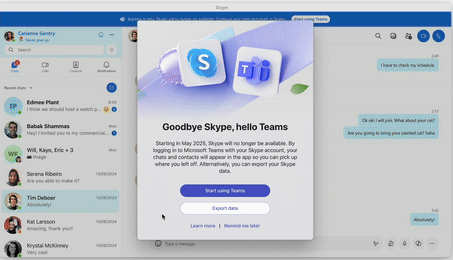
image 16

One of the most interesting aspects of this transition is how it highlights the convergence of personal and professional communication tools. Skype began as a consumer product but gained traction in the business world. Conversely, Teams started as a business tool but is now being positioned for personal use.

However, some users may find Teams’ business-oriented branding and features less appealing for casual, personal communication. Microsoft is banking on the familiarity of its ecosystem—tools like Word, Excel, and PowerPoint are used in both personal and professional contexts—to ease this transition.


The Legacy of Skype

Skype’s retirement marks the end of a pioneering platform that changed how we communicate. It introduced millions to the concept of internet-based calls, paving the way for modern apps like Zoom and WhatsApp. While its user base has declined, its impact on the tech industry is undeniable.


What’s Next for Microsoft Teams?

Microsoft is betting big on Teams, not just as a workplace tool but as a comprehensive communication platform for all aspects of life. The company has already rebuilt Teams from the ground up, improving performance and adding new features. With Skype out of the picture, Microsoft can focus entirely on making Teams the go-to app for both personal and professional communication.


A New Chapter in Digital Communication

The shutdown of Skype is a bittersweet moment for many who grew up using the platform to stay connected with loved ones. However, it also represents progress. By consolidating its efforts into Teams, Microsoft is positioning itself to compete in the rapidly evolving world of digital communication.

For Skype users, the next few months will be a time of transition. Whether you choose to migrate to Teams or explore other platforms, one thing is clear: the way we communicate is constantly evolving, and Microsoft is determined to stay at the forefront of this change.

ADVERTISEMENT
RECOMMENDED
NEXT UP

Apple TV+ has quietly pulled the upcoming French thriller The Hunt from its streaming release schedule amid allegations that the series bears a striking resemblance to Shoot, a 1974 novel by American author Douglas Fairbairn. The move, which was first reported by Apple Insider, has sparked an industrywide debate about originality and intellectual property rights in light of increased scrutiny on global streaming content.

The series was scheduled to launch on December 3, but eagle-eyed viewers observed last week that the title had vanished altogether from the upcoming releases list on Apple TV+. Production company Gaumont has now confirmed the delay in a statement to Variety:

“The broadcast of our series The Hunt has been temporarily postponed. We are currently conducting a thorough review to address any questions related to our production. We take intellectual property matters very seriously.”

Plot Parallels Raise Red Flags

The plagiarism concerns emerged after French media journalist Clément Garin openly stated that the plot of The Hunt has striking similarities with Fairbairn’s Shoot, itself adapted into a feature film in 1976.

In The Hunt, the story revolves around Franck — played by Benoît Magimel — and a close-knit group of friends who enjoy weekend hunting trips. Their routine outing turns sinister when they encounter another group of hunters who inexplicably open fire on them. After one of Franck’s friends is injured, the group retaliates, wounding an attacker. The men flee and decide to keep the incident secret. But as days pass, Franck becomes convinced that he and his friends are being stalked — hunted in return — by the rival group determined to exact revenge.

An official logline describes a tense psychological spiral in which Franck tries to resume normal life with his wife, Krystel (played by Audrey Laurent), only to feel increasingly surveilled and unsafe.

A Strikingly Similar Story in Shoot

Fairbairn’s Shoot follows a thoroughly similar trajectory of events. The protagonist of the novel, Rex, is introduced as a gruff, hyper-masculine hunter. While on a trip in Canada, Rex and his friends are attacked by fellow hunters. One friend fires back, killing one of the aggressors.

Rather than report the killings to the police, Rex assumes that neither would the opposing group report the lethal encounter. But paranoia takes hold as he’s convinced the surviving hunters will want revenge.

That uncanny overlap in plot structure – two groups of hunters, an exchange of gunfire, a death, and a lingering fear of revenge – fueled the accusations that ultimately prompted Apple TV+ to halt the release.

A History of Content Review at Apple TV+

image 11

This is not the first time that Apple TV+ has delayed a series amidst concerns or external scrutiny. In September, it delayed The Savant, a thriller starring Jessica Chastain as an undercover investigator tracking online hate groups planning domestic terror attacks. There wasn’t any explanation by Apple over whether the issues were creative, legal, or production-related.

The streamer has made its name by carefully curating quality, highly-vetted content and often choosing delays over controversy. This latest pause would seem to indicate Apple is continuing that cautious approach.

Thus far, neither Apple nor Gaumont has issued further information about the investigation or whether The Hunt will be put back onto the release schedule. Neither company responded to a request for comment.

The entertainment industry has continued to grapple with intellectual property challenges, especially as international productions reach a global audience on wider levels thanks to streaming platforms. Cases like The Hunt highlight the delicate balance between creative inspiration and possible infringement-and the growing pressure on studios to ensure their stories don’t cross legal or ethical lines. The Hunt has remained off Apple’s platform pending review and its future remains uncertain.

Nintendo is officially moving into a new era. In its just-posted financial results briefing, the gaming giant confirmed that it’s shifting its main development efforts to the Nintendo Switch 2, a decisive move away from the original 2017 Switch that rebooted the company’s fortunes.

“Going forward, we will shift our primary development focus to Nintendo Switch 2 and expand our business around this new platform,” Nintendo said during its briefing.

The announcement effectively signals that the Nintendo Switch’s eight-year reign is beginning to wind down, even if the company isn’t ready to retire the console completely just yet.

Switch Still in Stores, But Support Will Gradually Fade

Nintendo pointed out that it would also continue to sell the original Switch hardware for the foreseeable future, adjusting its production and marketing strategy “in line with consumer demand and business conditions.” But the writing is on the wall: as developers shift their focus, new releases for the older system will inevitably slow.

The company sought to reassure fans that various major titles were still planned for the Switch, with launches from October onwards: these may include final first-party releases or updates to existing franchises aimed at keeping the system’s large player base engaged as the next generation gains momentum.

Sell Switch 2 Off to a Strong Start

image 6

Off to an amazing start despite still having a few months into its lifecycle, the Nintendo Switch 2 has already sold over 10.36 million units worldwide since its launch back in June, according to data from Nintendo.

Notably, 84 percent of buyers were existing Switch owners — a clear sign that the new console is attracting loyal fans upgrading to the next generation rather than drawing in entirely new users. While that number still represents a fraction of the original Switch’s staggering 154 million lifetime sales, the company says it’s observing a “uniform migration” toward the newer platform.

This is in line with what has been happening in all major console transitions: early adoption is driven by the existing user base before the wider audience starts buying.

The Legacy of the Nintendo Switch

When the Nintendo Switch launched in March 2017, it marked a revolutionary hybrid console that combined handheld portability with the more traditional style of home gaming. It quickly became one of Nintendo’s most successful systems to date, revitalizing the company from underperforming sales of the Wii U and an era-defining lineup of games that included The Legend of Zelda: Breath of the Wild, Super Mario Odyssey, and Animal Crossing: New Horizons.

The versatility and affordability of the system helped it capture an immense audience worldwide, crossing over 154 million units in lifetime sales, making it the third-best-selling console in history after the PlayStation 2 and Nintendo DS.

What’s Next for the Switch 2

While Nintendo has not talked about all the technical details of Switch 2, reports and leaks indicate that it has a more powerful chipset, faster loading times, and increased graphical capabilities-all of which would draw Nintendo closer to the level of visual fidelity shown in their competitors, the PlayStation 5 and Xbox Series X.

This generational shift is pivotal for Nintendo-a balance between paying homage to a record-breaking legacy and forging ahead with innovation. While the company has managed transitions quite well in the past, with the original Switch still performing well in markets such as Japan and Europe, Nintendo faces the challenge of gradually sunsetting one of its most beloved consoles without alienating its vast player community. The message, as the Switch 2 gains even more momentum, is clear: the future of Nintendo is already here — and it’s building on the base of one of the most successful consoles ever made.

There are also rumors that the backward compatibility will be improved, allowing existing Switch owners to carry forward their digital libraries. With a larger OLED display combined with an enhanced Joy-Con design, the new console seems set to deliver performance and comfort upgrades in equal measure.

Analysts anticipate the Switch 2 will be the leader of the 2025 gaming cycle, especially with expected first-party games such as Metroid Prime 4, The Legend of Zelda sequel projects, and maybe new Mario entries already in development for the console.

ADVERTISEMENT
Receive the latest news

Subscribe To Our Weekly Newsletter

Get notified about new articles