Techfullpost

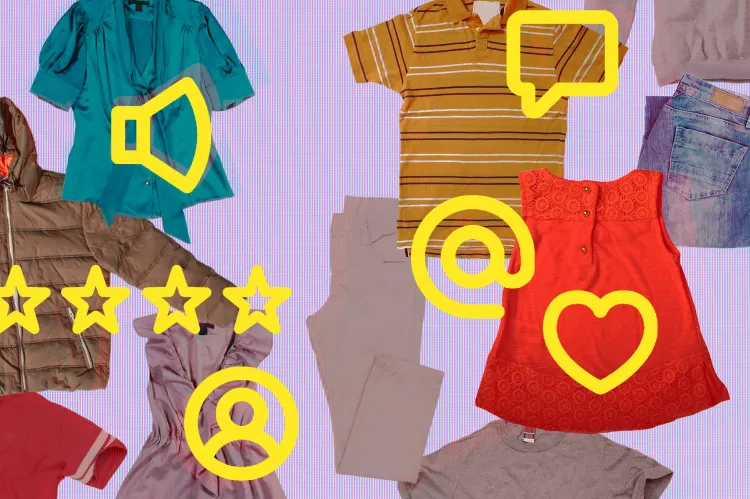
On Instagram, the mothers are thrifting

On Instagram, the mothers are thrifting

Late one evening, my phone buzzes — it’s a notification from Instagram: “Clark’s Closet Connection’s countdown has ended.” Excited, I tap into the page, knowing that a fresh batch of coveted secondhand treasures is about to go live.

Within seconds, new posts start flooding the feed. Size 10 Mario-themed sneakers, adorable Moana-print Hanna Andersson pajamas, a vibrant 3T Boden skort — each item is claimed almost instantly. Shoppers, mainly busy moms, comment “me!” to reserve their finds, racing against one another in a first-come, first-served frenzy. Tonight, 36 items are posted; 24 are snatched up before the final listing even goes live.

The woman behind the operation is Ashley Hauri, a Kansas City-based entrepreneur who has turned reselling into a thriving, community-centered business. Once an active seller on platforms like Poshmark, Hauri is part of a growing wave of thrift store flippers shifting their efforts to more personal spaces like Instagram — even though the platform isn’t exactly optimized for online commerce.

“Instagram is one zillion percent not set up for selling,” Hauri admits. “But it’s about the community. I get to watch customers’ kids grow up. I’m connected to them beyond just a sale.”

Why Instagram? Building Relationships Over Transactions

While platforms like eBay, Depop, and Poshmark offer structured selling tools, Instagram allows resellers to build something deeper: genuine relationships. Buyers become more than just transactions — they become part of a tight-knit community. Sellers like Hauri can share life updates, celebrate milestones with their customers, and engage in real conversations.

This shift toward social-first selling reflects a broader trend where authentic connection is becoming just as valuable as the product itself.

The Rise of Resale Culture: More Than Just Saving Money

Although online reselling isn’t new — fashion entrepreneur Sophia Amoruso famously launched her brand Nasty Gal through eBay back in 2006 — the concept of “thrifting” has exploded in popularity over the past decade.

Today, buying secondhand is no longer viewed as a niche hobby; it’s a mainstream movement driven by millennials and Gen Z consumers who prioritize:

  • Sustainability: Secondhand shopping reduces the environmental impact of fast fashion.
  • Uniqueness: Vintage and one-of-a-kind finds offer a way to stand out from mass-produced styles.
  • Affordability: High-quality pieces at a fraction of retail prices are hard to resist.

The numbers speak for themselves: the resale industry is projected to grow nine times faster than the broader retail sector by 2027, according to market research.

Mobile-First Shopping: A Shift in Consumer Behavior

image 15

One of the most significant drivers behind this growth is convenience. Thanks to smartphones, millions of shoppers are browsing, buying, and even bidding on secondhand items through apps they already use daily. They no longer need to step inside a brick-and-mortar thrift store to score deals or support sustainable fashion.

Social media platforms like Instagram, TikTok, and Facebook Marketplace are becoming virtual thrift stores themselves — offering curated drops, direct communication with sellers, and a personalized shopping experience that traditional e-commerce struggles to match.

The Future of Reselling: Community Is Key

As the resale economy continues to expand, it’s clear that the next wave of successful sellers won’t just be those with the trendiest inventory. The winners will be those who can build trust, foster community, and create a human-first shopping experience — even in a digital world.

Ashley Hauri’s success story isn’t just about flipping thrift finds for profit. It’s a testament to the power of authentic connection in a marketplace increasingly driven by technology.

In an era where personalization, sustainability, and community matter more than ever, platforms like Instagram — despite their limitations — are proving to be fertile ground for the future of secondhand shopping.
ADVERTISEMENT
RECOMMENDED
NEXT UP

TikTok is taking its cultural influence to the next level: The short-form video platform announced Monday that it will host its first-ever TikTok Awards show in the United States, marking a major step in its evolution from a social media app into a full-fledged entertainment powerhouse.

The show – featuring categories like “Creator of the Year,” “Video of the Year,” “Muse of the Year,” and “Breakthrough Artist of the Year” – will be held on December 18 at the Hollywood Palladium in Los Angeles. Fans everywhere will be able to watch the extravaganza live via the TikTok app and on Tubi, with on-demand viewing available on Tubi the following day.

Unlike Instagram’s recently launched “Ring” awards, TikTok’s event embraces a classic Hollywood-style ceremony, replete with a red carpet, live performances, and an in-person audience filled with hundreds of top creators.

image 2

Voting will take place via the ‘Favorite of 2025’ voting portal within the app, starting November 18, making this a truly community-driven celebration, highlighting creators who have shaped culture on TikTok in 2025.

Celebrating Creativity Across Cultures

Although this marks TikTok’s first awards show in the U.S., the company has already hosted successful versions in Germany, Mexico, Korea, and other countries — each designed to recognize local talent and viral content. Hosting a major event in Los Angeles underlines the growing role of TikTok in the global entertainment ecosystem, becoming the bridge between traditional media and digital creativity.

Meet the Nominees

Standout nominees for “Creator of the Year” include viral sensations adamw, alixearle, brookemonk_, keith_lee125, and kristy.sarah, who have each gained millions of followers through their respective uses of relatable humor, lifestyle content, and creative storytelling.

Then there’s the “Breakthrough Artist of the Year” category, which includes alexwarren, katseyeworld, laufey, ravynlenae, and sombr-all rising musical talents whose sounds have defined TikTok’s ever-changing musical landscape.

The other notable categories are “Storyteller of the Year,” “TikTok for Good Award,” “MVP of the Year,” “Okay Slay Award,” and “TikTok LIVE Creator of the Year.” The full list of nominees can be found on the official announcement post of TikTok.

Beyond an App: A Cultural Powerhouse

TikTok’s foray into the awards circuit signals its ambition to establish itself as a cultural tastemaker, not just a social platform. According to the company, the event will put a spotlight on creators across fashion, beauty, sports, film, and entertainment, highlighting the diversity and innovation that define the TikTok community.

“The trophies up on stage will beam a colorful glow upon the creators defining this new era of culture,” TikTok said in its announcement, adding that the awards will celebrate creativity in all its forms, from viral trends to artistic innovation. With its first U.S. awards show, TikTok is sending a clear message: it’s no longer just about short videos; it’s a central stage for the next generation of entertainment, artistry, and cultural influence.

Meta is pushing deeper into AI territory with new AI-editing tools in Instagram Stories, where users can edit images and videos simply by typing in what they want to modify. From hair color to special effects, the feature upends the possibilities of creators and regular users alike to personalize their content. Instagram Stories Meta AI editing tools

Text Prompts Meet Visual Creativity

image 14

Until now, Instagram’s AI editing tools were primarily accessible through Meta AI’s chatbot, which required users to interact via direct messages. With this latest integration, however, AI editing becomes native to Stories, allowing anyone to make instant visual edits using plain language commands.

These new edit features come under the “Restyle” menu that can be accessed using the paintbrush icon in Instagram Stories. One can type commands such as “give me a sunset background,” “remove the person in the corner,” or “color my hair pink.” The AI carries out the edit one wants within seconds.

Meta suggests that users only have three primary actions to select from — Add, Remove, or Change — while specifying what they’d like to alter. The AI will automatically add objects, alter appearances, or completely restyle the photo based on what they’ve described.

Preset Effects and Dynamic Video Edits

image 15

In addition to custom prompts, Instagram also has pre-select AI effects that can beautify or stylize posts. Filters like sunglasses, a denim jacket, or even a watercolor art effect can be applied.

On video content, the feature does even better — creators are able to superimpose atmospheric effects like falling snow, glowing embers, or cinematic lighting, which makes Stories appear more polished and professional without the necessity of using editing apps.

Privacy and AI Usage Terms

While the new features enable creativity, they come with privacy implications. Being used to introduce users to Meta’s Terms of Service for AI, which allow the company to “analyze photos and videos, including facial data, to make AI better.” According to Meta, it allows its systems to “summarize image contents, edit images, and generate new content based on the image.”

Critics have also had concerns regarding the ways in which such data might be used to train Meta’s broader AI models, though the company has sworn to remain committed to responsible innovation and transparency.

Meta’s Expanding AI Push

image 16

The release of AI editing software is just part of Meta’s overall strategy to roll out artificial intelligence on every platform it has, from Facebook and Instagram to WhatsApp. Recently, Meta began beta-testing a “Write with Meta AI” feature, which helps users compose intelligent or engaging comments under Instagram posts.

Meanwhile, Meta’s separate Meta AI app — with its chatbot and new “Vibes” AI-generated video stream — has been picking up steam. According to Similarweb estimates, iOS and Android daily active users rose from 775,000 to 2.7 million over a four-week span as of October 17.

Protecting Younger Users

As a response to increasing complaints from regulators and parents, Meta has also added new parental tools for its AI features. Parents may now shut off chats with AI characters and filter topics that their teens have with the chatbot to provide a safer online environment.

With these new instruments, Instagram is not only emerging as a social network but a creative platform fueled by generative AI. With Meta, OpenAI, and Google competing for leadership, this launch shows how AI is becoming more a part of the social fabric of our era — blurring the line between creativity, technology, and self-expression.

ADVERTISEMENT
Receive the latest news

Subscribe To Our Weekly Newsletter

Get notified about new articles