Techfullpost

Uncategorized

How To Use Your Apple EarPods To Fast Forward A Song

How To Use Your Apple EarPods

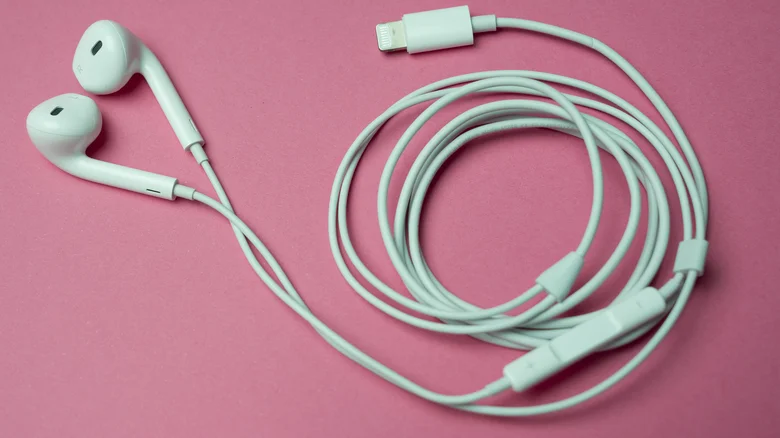
If you are an iPhone user who has consistently upgraded your device to newer models over the past few years, there is a good chance that you still have one or more pairs of Apple’s EarPods to use with your phone. It’s important to distinguish EarPods from Apple’s AirPods, which are their line of Bluetooth wireless earphones. EarPods are Apple’s wired earphones that used to come bundled with every iPhone until the company stopped including them in the box, starting with the iPhone XR. Despite the increasing popularity of wireless headphones and the appeal of features like noise cancellation, there are still individuals who prefer the classic EarPods.

One notable feature of EarPods is their ergonomic design, which is said to follow the contours of the human ear. Additionally, they are equipped with built-in speakers capable of delivering high-quality audio. For those who value the reliability of a wired connection and longer battery life, EarPods are an appealing option. If you own an iPhone, iPad, or iPod touch, sticking with accessories within the Apple ecosystem often makes sense. Moreover, wired headphones are less prone to being lost or misplaced, a common concern with wireless earbuds.
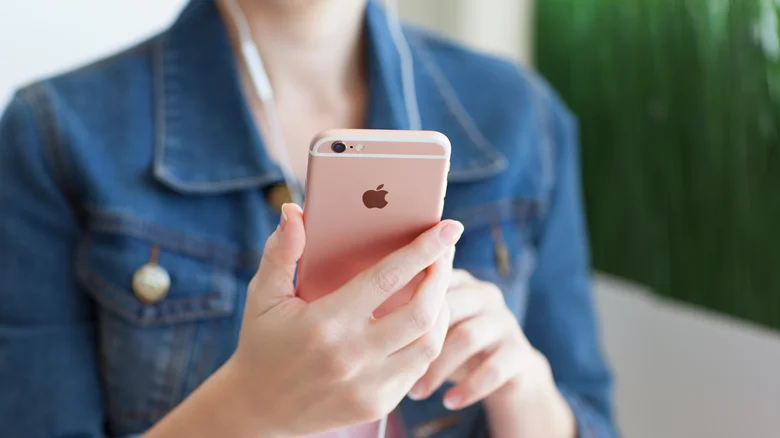
For those who do not already own a pair, there are compelling reasons to consider purchasing Apple EarPods from the Apple Store. These earphones come with a user-friendly built-in remote that allows you to easily control music and video playback, adjust volume levels, and manage phone calls. Furthermore, the remote includes a valuable feature that lets you skip forward or backward to a specific part of an audio track.

In contrast to AirPods, which offer basic track skipping functionality, EarPods provide more precise controls, enabling you to navigate within an audio track without skipping it entirely. Here’s a breakdown of what you can do:

  1. Ensure that your Apple EarPods are properly connected to your mobile device.
  2. To fast forward during audio playback, double-press the center button (located between the “-” and “+” buttons) of the remote quickly and hold it down on the second press to continue fast-forwarding. Release the button when you reach the desired section of the audio.
  3. To rewind within the track, perform a triple-press of the middle button and hold the third press to continue rewinding. Release the button once you’ve returned to the section you wish to replay.

In addition to the precision skipping feature within an audio track, you can also utilize the standard playback controls:

  • Single-press the center button to pause, and press it again to resume playback.
  • Double-press the center button quickly (and release) to skip to the next track.
  • Triple-press the center button quickly (and release) to go back to the previous track.

If you’re using EarPods on an Apple device with Siri enabled, you can activate the virtual assistant by long-pressing the center button. When you hear a beep, release the button and speak your Siri command.

In summary, Apple EarPods offer a blend of familiarity, reliability, and precise controls that cater to those who appreciate the classic wired headphone experience, making them a solid choice for Apple device users.”

ADVERTISEMENT
RECOMMENDED
Uncategorized

Lifebelt on Shark Tank: A Well-Intentioned Idea That Failed to Gain Traction

By George Mensah 5 min read

Entrepreneurs often turn to Shark Tank to pitch their innovative ideas, hoping to secure funding and mentorship from the show’s panel of wealthy investors. In Season 1, Episode 2, Robert Allison stepped into the Tank with Lifebelt, a device designed to encourage seatbelt use among teens and save lives. While the invention had a noble purpose, it failed to win over the Sharks. Let’s take a closer look at what happened to Lifebelt on Shark Tank, why it didn’t succeed, and what lessons entrepreneurs can learn from its story.


The Lifebelt Pitch: A Device to Save Lives

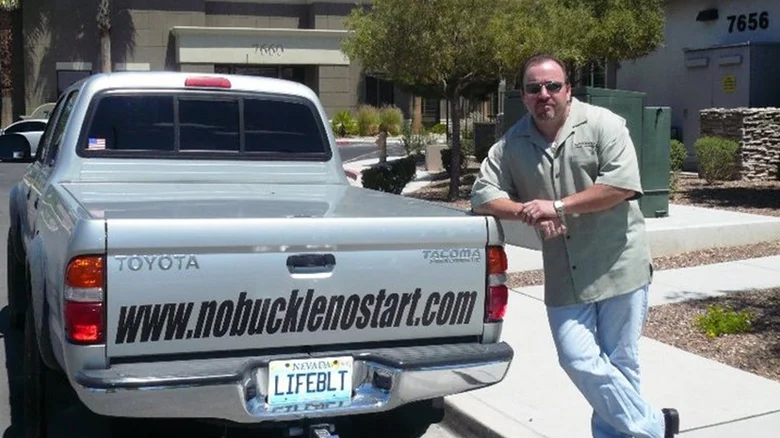
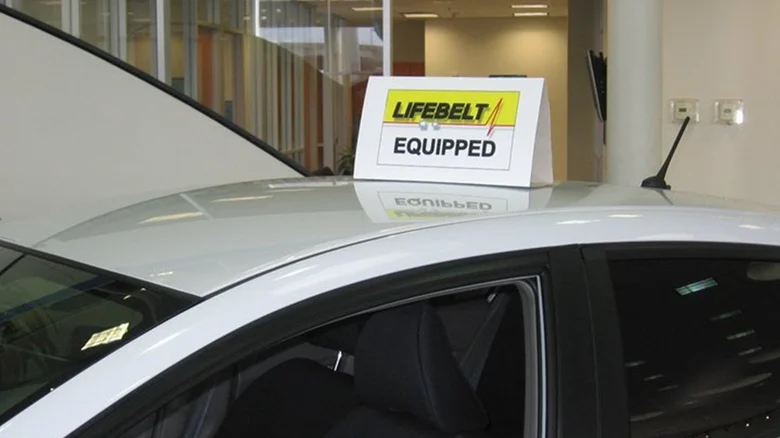
Robert Allison’s inspiration for Lifebelt came from personal tragedy. After losing a loved one in a car accident, Allison was determined to prevent similar tragedies by ensuring that everyone in a vehicle buckled up. His invention, Lifebelt, was a system that prevented a car from starting unless all passengers were wearing seatbelts. It also included an alarm that would sound if someone unbuckled while the car was in motion.

According to the National Highway Traffic Safety Administration (NHTSA), 50% of passengers killed in car accidents were not wearing seatbelts. Allison believed Lifebelt could significantly reduce this statistic, making roads safer for everyone.


Lifebelt on Shark Tank: A Tough Sell

Allison entered the Tank seeking 500,000for10500,000for105 million. He explained that his goal was to scale production and partner with auto manufacturers to integrate Lifebelt into new vehicles.

However, the Sharks were skepticalKevin Harrington and Daymond John questioned why Allison wasn’t pursuing a licensing model instead of trying to manufacture and sell the product himself. Both Sharks ultimately opted out, citing concerns about the high valuation and the challenges of breaking into the automotive industry.

Kevin O’Leary, known for his cutthroat negotiating style, made an offer—but it wasn’t what Allison had hoped for. O’Leary proposed 500,000for100500,000for1001 million for 100% of the patent but allowing Allison to “call him once.”

Allison declined both offers, stating that the patent was not for sale at any price. He left the Tank without a deal, confident in the value of his invention.


What Happened to Lifebelt After Shark Tank?

Despite the lack of a deal, Allison’s appearance on Shark Tank brought significant attention to Lifebelt. Unfortunately, much of the feedback from the entrepreneurial community was negative. Many criticized the Sharks’ offers, calling the invention “worthless” and questioning its practicality.

Rumors of a Deal

There were rumors that Allison signed a multi-million dollar deal with the Gillman Automotive Group, but no official confirmation or details were ever released. Without concrete evidence, these claims remain unverified.

The Decline of Lifebelt

By 2016, Lifebelt’s website was no longer active, and the company appeared to have shut down. Allison’s LinkedIn profile indicated that Lifebelt had come to an end, and the brand’s social media accounts (X and Facebook) had been inactive since 2009 and 2010, respectively.

Since then, Allison has listed himself as the CEO of AQSWW, but there is no publicly available information about this company. It seems that Lifebelt’s journey came to an end due to a lack of revenue, partnerships, and market interest.


Why Did Lifebelt Fail?

While Lifebelt had a noble mission, several factors contributed to its downfall:

1. High Valuation and Lack of Traction

Allison’s $5 million valuation was a major sticking point for the Sharks. Without proven sales or partnerships, it was difficult to justify such a high price tag.

2. Challenges in the Automotive Industry

Breaking into the automotive industry is notoriously difficult. Lifebelt would have needed partnerships with major car manufacturers, which are hard to secure without significant resources and industry connections.

3. Market Demand

While seatbelt safety is important, many consumers may not see the need for a device like Lifebelt, especially if they already practice safe driving habits. Additionally, modern vehicles often come equipped with seatbelt reminders and alarms, reducing the demand for an aftermarket solution.

4. Execution and Business Model

Allison’s decision to pursue manufacturing and partnerships instead of licensing may have been a misstep. Licensing the technology to car manufacturers could have been a more viable path to market.


Lessons for Entrepreneurs

The story of Lifebelt offers valuable lessons for aspiring entrepreneurs:

  1. Validate Your Market: Before seeking funding, ensure there is a clear demand for your product. Conduct market research and gather feedback from potential customers.
  2. Be Realistic About Valuation: Overvaluing your company can deter investors. Be prepared to justify your valuation with data and evidence.
  3. Consider Licensing: If your product is designed for integration into existing systems (like cars), licensing may be a more practical approach than manufacturing.
  4. Learn from Feedback: Negative feedback can be tough to hear, but it often contains valuable insights. Use it to refine your product and business model.

A Noble Idea That Fell Short

Lifebelt was a well-intentioned invention with the potential to save lives, but it ultimately failed to gain traction in a competitive and challenging market. While Robert Allison’s passion and determination were commendable, the lack of a clear path to market and high valuation proved to be insurmountable hurdles.

For entrepreneurs, Lifebelt’s story is a reminder that even the most innovative ideas need a solid business strategy to succeed. By learning from Allison’s experience, future inventors can better navigate the challenges of bringing their products to market.

Uncategorized

How to Customize Your Android Auto Experience

By George Mensah 2 min read

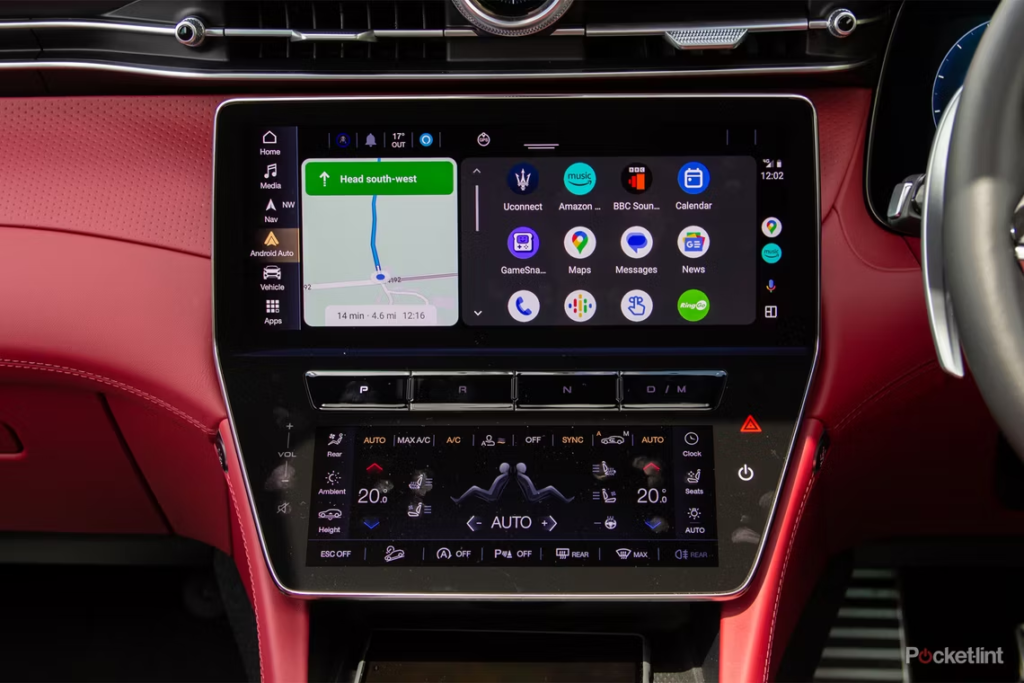
Android Auto is a great way to use your phone in your car, but it’s not perfect. The default layout and app order may not be ideal for everyone. Fortunately, it’s easy to customize Android Auto to your liking.

Change the home screen layout

The latest version of Android Auto allows you to change the layout of the home screen. This is a great way to move the controls you use most often closer to the driver’s seat.

To change the home screen layout:

  1. Connect your phone to your car and launch Android Auto.
  2. Tap the app drawer icon in the bottom left corner of the screen.
  3. Tap the Settings app.
  4. Scroll down and tap Change layout.
  5. Choose between Media closer to driver or Navigation closer to driver.

Change the app order

You can also change the order of the apps that appear in the app drawer. This is a great way to move your most-used apps to the top of the list.

To change the app order:

  1. On your phone, open the Settings app.
  2. Search for “Android Auto” and tap the top result.
  3. Tap on Customize Launcher.
  4. Tap on Launcher sorting.
  5. Choose A-Z order or tap Custom to drag the apps into your desired order.

Other customization options

In addition to changing the home screen layout and app order, there are a few other ways to customize Android Auto:

  • Change the wallpaper: You can change the wallpaper on the Android Auto home screen to match your car’s interior or your own personal style. To do this, open the Android Auto Settings app and tap on Wallpaper.
  • Enable night mode: Night mode darkens the Android Auto interface, making it easier on your eyes at night. To enable night mode, open the Android Auto Settings app and tap on Night mode.
  • Change the voice settings: You can change the voice settings for Android Auto, such as the voice language and voice prompt volume. To do this, open the Android Auto Settings app and tap on Voice.

By customizing Android Auto to your liking, you can make it a more enjoyable and useful experience.

ADVERTISEMENT
Receive the latest news

Subscribe To Our Weekly Newsletter

Get notified about new articles