
The Mazda CX-5 has been one of Mazda’s most influential models since its debut in 2012. Now entering its third generation with the 2026 model year, this compact SUV remains at the heart of the brand’s global success. Over 4.5 million units have been sold worldwide, of which 1.6 million were purchased in the United States, thus easily making it one of Mazda’s most successful nameplates.
But for many shoppers, especially in the used market, one major question remains: How well does the Mazda CX-5 hold its value over time?
Depreciation Breakdown: How Much Value Does a Mazda CX-5 Lose?
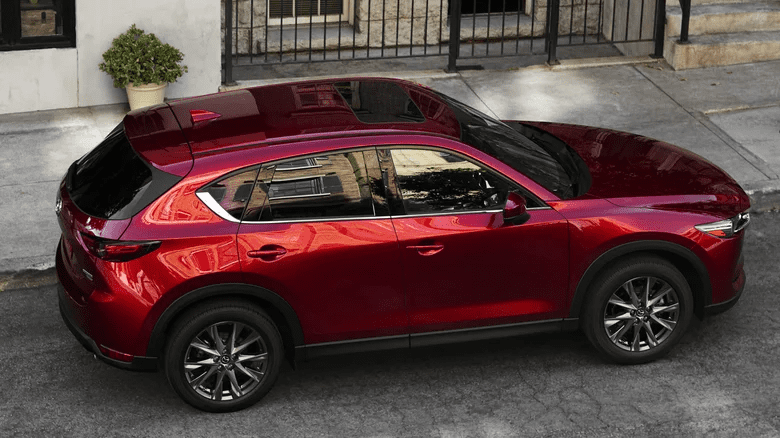
The resale value largely depends on the level of depreciation-the natural decline in a vehicle’s worth as time and mileage pile up. While CarEdge data indicates that the CX-5 holds its value relatively well for its class, it still depreciates more quickly than many of its top competitors.
Two-Year-Old Mazda CX-5
Average Depreciation: $12,963
Value Retained: 66.57%
Estimated Resale Value: $25,815
Mileage Assumption: 27,000 miles total (13,500 per year)
Five-Year-Old Mazda CX-5
Average Depreciation: $16,217
Value Retained: 58.18%
Estimated Resale Value: $22,561
Mileage Assumption: 67,500 miles total
These numbers suggest that while the CX-5 retains decent value, it nevertheless surrenders a significant portion of its value within the first five-year period, which is typically where most vehicles lose their value the fastest.
What Influences Depreciation Beyond Age and Mileage?
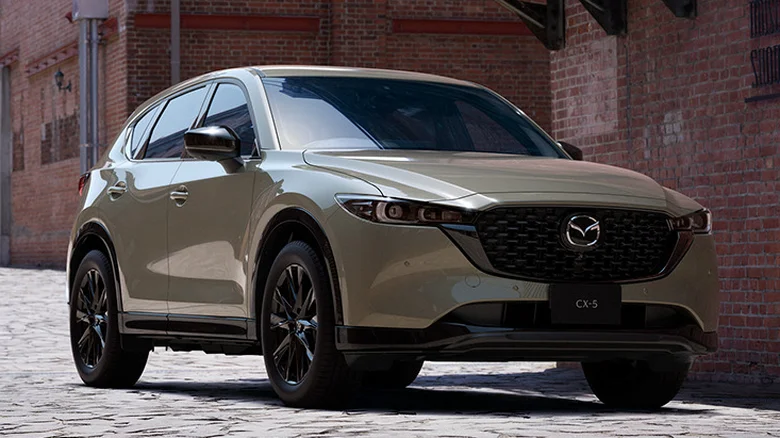
While time and mileage are the primary drivers of depreciation, several other factors play a major role in how much a used CX-5 is worth:
- History of maintenance
The better choice will always be a well-maintained CX-5.
Consistent oil changes
Scheduled services according to Mazda’s recommendations
Proper care for brakes, tires, and fluids
Complete service records can help your vehicle sell more quickly and bring a better sale price.
- Type of Driving
A car that does a lot of highway driving is often easier on the vehicle than constant stop-and-go city driving. A CX-5 that has spent its entire life doing long road trips might show less wear than one used to commute daily.
- History of Accidents
Clean CarFax or AutoCheck reports greatly increase resale value.
- Trim Level and Features
Higher trims, such as the Grand Touring or Signature, especially those with premium packages, will generally retain value better than their base-model brethren.
How the CX-5 Stacks Up Against Its Rivals
The compact SUV segment is highly competitive, with vehicles like the Toyota RAV4, Honda CR-V, and Subaru Forester always ranking near the very top in resale value. Here’s how the CX-5 compares:
After 2 Years
Toyota RAV4: 83.52% retained
Honda CR-V: 78.77%
Subaru Forester: 77.20%
Mazda CX-5: 66.57%
After 5 Years
Toyota RAV4: 69.42% retained
Honda CR-V: 67.01%
Subaru Forester: 65.98%
Mazda CX-5: 58.18%
These figures indicate that the CX-5 depreciates more quickly than its most popular rivals. For buyers, this is actually a good thing – used CX-5 models usually sell for less than similarly-equipped RAV4s or CR-Vs.
For sellers, though, the lower resale value means they may not recover as much of their investment when it’s time to move on.
The Bottom Line: Who Benefits Most?
Buyers: Buyers benefit by paying lower used prices because of higher depreciation.
Sellers: See resale returns lower than that of CR-V and RAV4 owners.
Simply stated, high depreciation works in the buyer’s favor, while strong resale value benefits the seller. Knowing which side you’re on helps you make the smartest financial decision.
Looking Ahead: The 2026 Mazda CX-5
Mazda is getting ready to introduce the highly anticipated third-generation CX-5 for the 2026 model year. Early reports indicate that
Refined design inspired by the CX-60 and CX-70
Updated safety and entertainment technology
More efficient powertrains
Improved handling and comfort These upgrades might be worth considering for shoppers who are torn between buying used or waiting for the latest model.