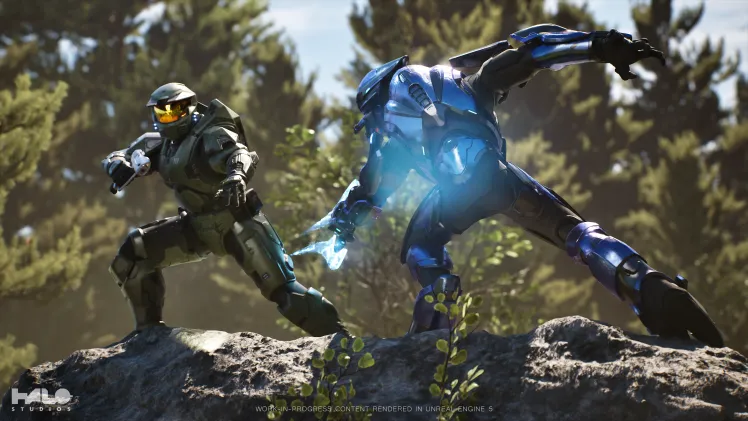
A few years ago, the idea that Halo — the game that is synonymous with Xbox’s brand name — would be making a move to a PlayStation console would have been something akin to a parallel universe. But in 2025, that extremely unlikely truth is playing itself out. What was the pinnacle of the exclusivity of Xbox is now the most glaring sign that Microsoft’s gaming division is undergoing a ginormous transformation — one driven by survival, strategy, and the changing nature of the gaming industry.
From Locked Walls to Open Doors
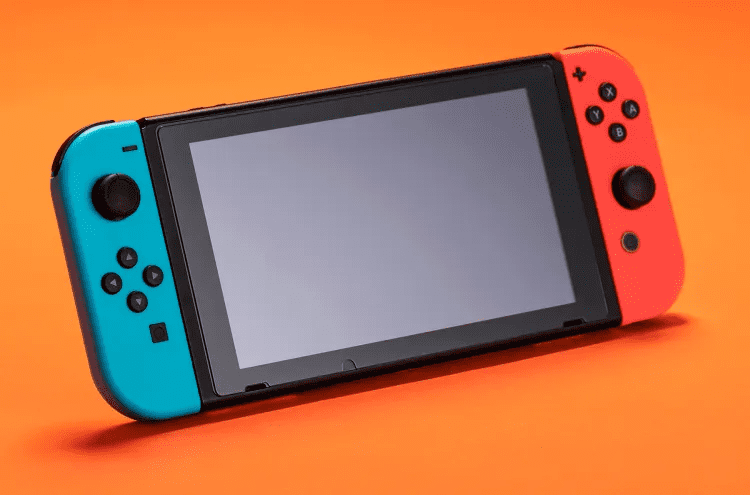
Xbox’s previously locked-down environment is collapsing quickly. The company has been systematically knocking down its walls of exclusivity, inviting its biggest franchises into competition. What once was an experiment with smaller titles like Grounded and Pentiment on Nintendo Switch and Hi-Fi Rush and Sea of Thieves on PlayStation 5 has turned into a risky, multi-platform gamble.
Now, Microsoft’s biggest franchises — Indiana Jones and The Great Circle, Senua’s Saga: Hellblade II, Gears of War, and soon Halo — are not just “Xbox games.” They’re trans platform, cross-device gaming experiences.
It’s not really a software change but a change on what Xbox is in 2025. As Xbox executive Sarah Bond told Mashable, “The biggest games in the world are available everywhere. The idea of locking games to one store or one device is antiquated for most people.”
And she’s right — accessibility is the way to success. Sony’s report of May sales shows that Xbox-published titles like Indiana Jones, The Elder Scrolls V: Oblivion Remastered, and Forza Horizon 5 topped the highest downloads on PlayStation 5. Even Microsoft-owned games like Call of Duty: Black Ops 6 and Minecraft top charts across platforms.
The Business Behind the Shift
The transition away from Xbox consoles is not philosophical — it’s practical. Xbox hasn’t been able to compete with PlayStation and Nintendo in console hardware sales. Subscription growth of Xbox Game Pass has crested, and the formerly bright hope of “Netflix for games” is vanishing in the face of saturation and rising cost.
Even as it is, American tariff policies are driving console costs higher, turning the earlier trend of hardware getting cheaper by the day on its head. In an era where customers are prioritizing utility over entertainment indulgences, Microsoft’s Play Anywhere and Cloud Gaming initiatives become lifelines — allowing players to experience games on devices they already own.
“We’re trying to meet people where they are,” said Matt Booty, president of Xbox Game Content and Studios, in a New York Times interview. That means making Xbox more than a console — it’s a brand that spans PCs, TVs, mobile devices, and rival systems.
But comfort for die-hards is that Xbox isn’t abandoning hardware altogether. Bond suggested that the next-gen console will be “a very premium, high-end curated experience.” As Microsoft launched its pricey ROG Ally handhelds, it’s clear that the company remains committed to keeping one foot firmly in the high-end gaming market.
Trouble Beneath the Surface
But beneath this high-flying reorganization, Xbox is in turmoil. The company has shut down a number of studios, including Arkane Austin and Tango Gameworks — the former being the developer of fan favorite Hi-Fi Rush. High-profile titles like Perfect Dark and Everwild have been quietly canceled, and Fable’s much-hyped reboot has been delayed until 2026.
Even Halo Infinite, the one that was meant to reignite the franchise, failed critically and commercially. And so, now that the original Halo franchise is being released on PlayStation in an enhanced form, the fans cannot help but wonder: is this an expansion or a white flag?
Simultaneously, The Elder Scrolls VI persists in development purgatory six years after it was first revealed, and Fallout — with renewed hype due to Amazon’s hit TV show adaptation — has not seen a significant new game release in years. Todd Howard’s promise that Fallout 5 is “eventually coming” fails to assuage the skepticism.
Internal Strains and Image Problems
A recent Bloomberg article discovered that Microsoft set its gaming division a disputed 30% profit margin target, leading to unpopular actions such as increasing Game Pass prices and shutting down various studios.
The company’s new ROG Ally handhelds, priced at $600 to $1,000, have also been panned as too pricey and half-baked. Ironically enough, during a company town hall meeting, Booty highlighted “smaller, prestige games that win awards” — the day after shutting down the studio responsible for one of the handful of games that fit that description.
Microsoft has also been criticized for its global reputation. The firm was targeted by the BDS movement for alleged ties to Israeli defense practices and was confronted by worker demonstrations over its AI transactions with the Israeli regime. Perhaps most recently, Xbox’s Halo franchise found itself embroiled in scandal when the U.S. Department of Homeland Security used its imagery in a highly criticized ICE recruitment ad — an ad that Microsoft declined to comment on.
The Future of Xbox: Platform Over Console
Despite all the madness, Halo’s PlayStation debut isn’t the death of Xbox — it’s a redefinition of what Xbox is in 2025. Old-school “console war” among Sony, Nintendo, and Microsoft is over. The real war now is in time and attention — with platforms like TikTok, Fortnite, Roblox, and YouTube battling for large slices of gamers’ free time.
Microsoft’s new strategy welcomes that reality: to survive, Xbox must succeed everywhere. And that means embracing its competitors instead of fighting them.
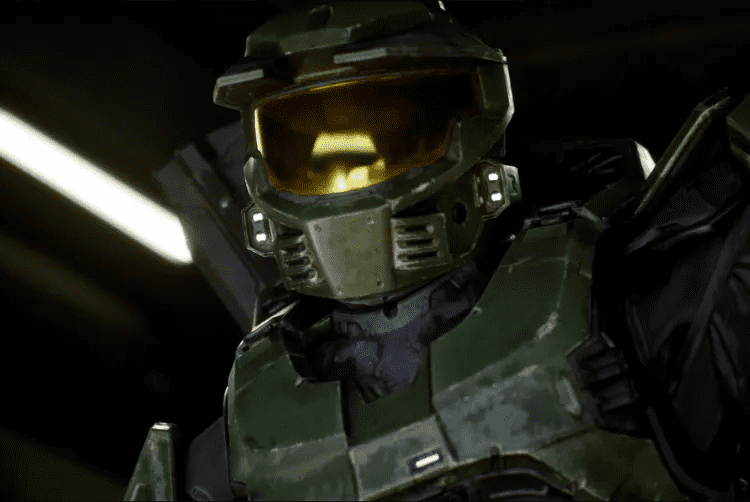
So yes, seeing Master Chief — the iconic mascot of Xbox — on a PlayStation screen is surreal. But it is also representative of an industry evolving beyond old boundaries.
As the new chapter in gaming is written, Microsoft’s agility can be its salvation. Xbox will not perhaps capture the hardware war, but in the battle for the attention of gamers, it is positioning itself to stay in the game for many a long year to come.