


Ahoy there! Ever been near a harbor or on a cruise and heard a ship let out three loud, echoing honks? It’s not just random noise—there’s a whole world of meaning behind those blasts. Ships don’t honk just to say “hello” or “get out of the way” (though sometimes it feels like that). Nope, those honks are part of a secret maritime language, and today, we’re cracking the code.
So, why do ships honk three times? Let’s dive in and explore this fascinating topic. By the way, if you’ve ever wondered why ships sound like giant kazoos, stick around—I’ve got some fun tidbits for you.
The Basics: What’s Up with Ship Horns?
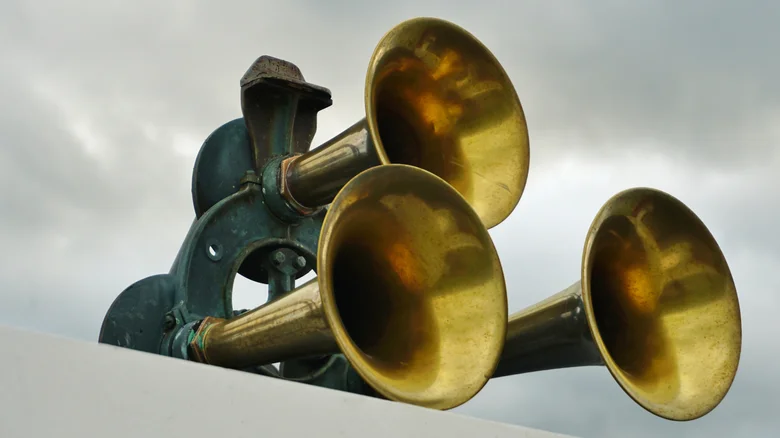
Before we get into the “three honks” mystery, let’s talk about ship horns in general. These aren’t your average car horns. Ship horns are loud. Like, “can-be-heard-for-miles” loud. They’re designed to cut through fog, rain, and the general chaos of the open water.
Think of them as the maritime version of a text message. Short honk? “Hey, I’m here.” Long honk? “Watch out, I’m moving!” But three honks? That’s where things get interesting.
Why Three Honks? The Short Answer
Here’s the quick version: Three honks typically signal that a ship is backing up or operating in reverse. It’s a way for the crew to communicate their movements to other vessels, especially in busy harbors or narrow channels.
But honestly, there’s more to it than that. Ships use honks like a secret handshake, and the number of blasts can mean different things depending on the situation. Let’s break it down.
The Secret Language of Ship Horns
Ships don’t just honk randomly—they follow a set of rules called the International Regulations for Preventing Collisions at Sea (COLREGs). These rules are like the “rules of the road” for boats, and they dictate how ships communicate with each other.
Here’s a quick cheat sheet:
- One short honk: “I’m turning to starboard (right).”
- Two short honks: “I’m turning to port (left).”
- Three short honks: “I’m operating astern propulsion” (aka, I’m going in reverse).
- Five short honks: “What the heck are you doing?!” (This is the maritime version of “Watch it, buddy!”)
So, three honks are basically a ship’s way of saying, “Heads up, I’m backing up!” It’s like when your neighbor yells, “Backing out!” as they reverse their car down the driveway.
A Personal Anecdote: My First Time Hearing Three Honks
I’ll never forget the first time I heard a ship honk three times. I was on a ferry in San Francisco Bay, and suddenly, this massive cargo ship let out three deep, resonant blasts. At first, I thought it was some kind of salute or celebration. Maybe they were saying goodbye to the Golden Gate Bridge?
Nope. Turns out, the ship was just maneuvering out of the harbor. But in that moment, it felt like I was part of some grand maritime ritual. It’s funny how something so practical can feel so poetic, isn’t it?
Why Three Honks Matter: Safety First
Let’s be real—ships are big. Like, really big. The average cargo ship is longer than three football fields and weighs as much as 200,000 cars. When something that massive is moving, you want to know about it.
Three honks are a crucial safety measure. They alert nearby vessels, harbor pilots, and even people onshore that the ship is changing direction. In foggy conditions or at night, when visibility is low, those honks can prevent collisions and save lives.
A Metaphor to Sink Your Teeth Into
Think of ship horns like a lighthouse’s foghorn. Both are designed to cut through the noise (literally) and grab your attention. A lighthouse says, “Hey, land is over here!” A ship’s horn says, “Hey, I’m moving—don’t get in my way!”
It’s a beautiful example of how humans have adapted to the challenges of the sea. We can’t control the weather or the waves, but we can communicate. And sometimes, that communication sounds like a giant kazoo.
Beyond Three Honks: Other Fun Horn Signals
While three honks are the star of the show, there are plenty of other horn signals worth knowing. Here’s a quick rundown:
- One long honk: “I’m here!” (Used when a ship is leaving port or entering a foggy area.)
- Two long honks + one short honk: “I’m overtaking you on your starboard side.”
- Two long honks + two short honks: “I’m overtaking you on your port side.”
- Seven short honks + one long honk: This is the general alarm signal, meaning “Abandon ship!”
By the way, if you ever hear seven short honks followed by a long one, it’s time to grab a life jacket. Just saying.
The Cultural Side of Ship Horns
Ship horns aren’t just about safety—they’re also part of maritime culture. For example, some cruise ships play musical notes with their horns as a way to entertain passengers. Imagine hearing “La Cucaracha” blasting from a 1,000-foot-long vessel. It’s equal parts hilarious and impressive.
And let’s not forget the tradition of “saluting” other ships with a honk. It’s like a friendly wave, but louder. Much louder.
A Relatable Example: Honking as a Greeting
You know how some people honk their car horns when they drive past a friend’s house? Ships do the same thing. It’s a way of saying, “Hey, I see you!” or “Good luck out there!”
I like to think of it as the maritime version of a fist bump. It’s quick, it’s simple, and it’s full of camaraderie.
FAQ: Your Burning Questions Answered
Let’s tackle some common questions about ship horns and their meanings.
1. Why do ships honk at night?
Ships honk at night to signal their presence, especially in low-visibility conditions. It’s a safety measure to prevent collisions.
2. What does five honks mean?
Five honks are a warning signal, essentially saying, “I don’t understand your intentions” or “You’re too close!”
3. Can ships play music with their horns?
Yes! Some ships are equipped with horns that can play musical notes, often used for entertainment or special occasions.
4. Why are ship horns so loud?
Ship horns need to be loud to be heard over long distances and through adverse weather conditions. They’re designed to carry for miles.
Final Thoughts: The Poetry of the Honk
There’s something oddly poetic about ship horns. They’re practical, sure, but they’re also a reminder of how connected we are—even in the vast, lonely expanse of the ocean. Every honk is a message, a warning, or a greeting. It’s a way for ships to say, “I’m here,” “I’m moving,” or “Watch out!”
So, the next time you hear a ship honk three times, you’ll know exactly what it means. And who knows? Maybe you’ll feel a little more connected to the mysterious, beautiful world of the seas.
Share Your Thoughts!
Have you ever heard a ship honk three times? Or maybe you’ve got a maritime story of your own? Drop a comment below—I’d love to hear from you! And if you found this post interesting, don’t forget to share it with your fellow sea lovers.