Techfullpost

Who Owns the Swiss Army Knife Brand & Where Are the Tools Made?

swiss army knife/techfullnews

Let’s be honest—when you think of a Swiss Army Knife, you probably picture MacGyver defusing a bomb or your grandpa whipping one out to fix a loose screw on his glasses. These little red multitools are iconic, but have you ever stopped to wonder who actually owns the Swiss Army Knife brand? Or where these magical pocket tools are made?

Well, grab your favorite snack and settle in, because we’re about to dive into the fascinating world of Swiss Army Knives. Spoiler alert: it’s not just about knives. It’s about history, craftsmanship, and a brand that’s as sharp as its blades.


The Swiss Army Knife: A Pocket-Sized Legend

First things first—what exactly is a Swiss Army Knife? If you’re picturing a simple knife with a corkscrew, you’re only scratching the surface. These multitools are like the Swiss watch of the gadget world: compact, precise, and packed with more features than your smartphone.

But here’s the kicker: the term “Swiss Army Knife” is often used generically, like Band-Aid or Kleenex. However, the real Swiss Army Knife is made by one company: Victorinox. And yes, they’re the OGs.


Who Owns the Swiss Army Knife Brand?

Alright, let’s get to the meat of the matter. The Swiss Army Knife brand is owned by Victorinox, a family-owned company based in Switzerland. Founded in 1884 by Karl Elsener, Victorinox has been crafting these iconic tools for over 130 years.

Fun fact: The company was originally called “Victoria” after Karl’s mother. But when stainless steel (or “inox” in French) became a thing, they rebranded to Victorinox. Clever, right?

A Family Affair

Victorinox is still run by the Elsener family, which is pretty impressive in today’s world of corporate takeovers. The current CEO, Carl Elsener Jr., is the fourth generation to lead the company. Talk about keeping it in the family!

By the way, this isn’t just some small mom-and-pop shop. Victorinox is a global powerhouse, selling millions of knives, watches, luggage, and even fragrances every year. But at its core, it’s still a family business with a deep commitment to quality and tradition.


Where Are Swiss Army Knives Made?

Here’s where things get interesting. Swiss Army Knives are made in—you guessed it—Switzerland. Specifically, they’re produced in the town of Ibach, nestled in the Swiss Alps.

The Ibach Factory: A Hub of Precision

Imagine a place where precision is religion, and craftsmanship is art. That’s the Victorinox factory in Ibach. Every single Swiss Army Knife is made here, using a combination of cutting-edge technology and old-school handcrafting techniques.

I had the chance to visit the factory a few years ago (yes, I’m bragging), and let me tell you, it’s like stepping into a Willy Wonka factory for gadget lovers. The attention to detail is insane. Each knife undergoes over 450 steps in production, and every blade is tested for sharpness and durability.

Why Switzerland?

You might be wondering, “Why not outsource production to cut costs?” Well, Victorinox is all about quality over quantity. By keeping production in Switzerland, they ensure that every knife meets their sky-high standards. Plus, it’s a nod to their heritage—after all, these are Swiss Army Knives.


What Makes Swiss Army Knives So Special?
Let’s be real: there are plenty of multitools out there. So what sets Swiss Army Knives apart?

1. Unmatched Quality

Victorinox uses high-quality stainless steel that’s resistant to rust and corrosion. This means your knife will last for decades, even if you accidentally leave it in your wet hiking bag.

2. Endless Variety

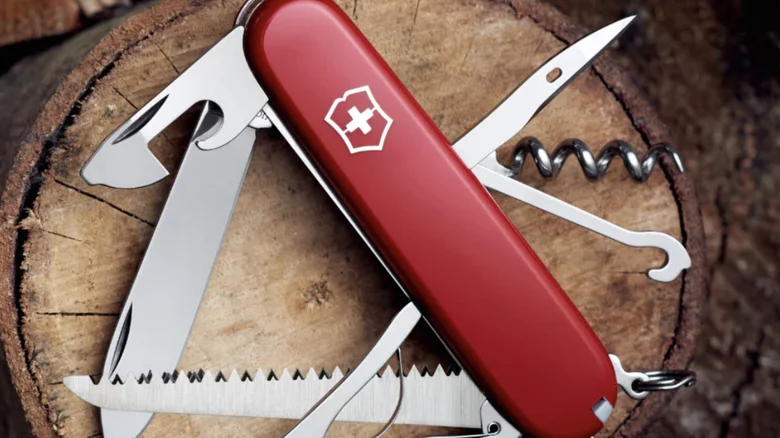
From the classic Spartan model to the beefy SwissChamp (which has 33 functions!), there’s a Swiss Army Knife for every need. Need a saw? Got it. Need tweezers? Yep. Need a toothpick? They’ve got you covered.

3. Timeless Design

The iconic red handle with the white cross is instantly recognizable. It’s not just a tool; it’s a statement.


Fun Facts About Swiss Army Knives

Before we move on, here are some tidbits to impress your friends at your next trivia night:

  • The Swiss Army Knife was originally created for soldiers in the Swiss Army.
  • NASA astronauts have taken Swiss Army Knives on space missions.
  • The largest Swiss Army Knife ever made has 87 tools and weighs over 2 pounds.

FAQs About Swiss Army Knives

1. Are all Swiss Army Knives made by Victorinox?

Nope! While Victorinox is the original manufacturer, another company called Wenger also produced Swiss Army Knives for a while. However, Victorinox acquired Wenger in 2005, so now they’re the sole producer.

2. Can you customize a Swiss Army Knife?

Absolutely! Victorinox offers engraving services, so you can add a personal touch to your knife.

3. How much does a Swiss Army Knife cost?

Prices range from 20forbasicmodelstoover20forbasicmodelstoover100 for high-end versions.

4. Are Swiss Army Knives worth it?

Honestly, yes. They’re durable, versatile, and timeless. Plus, they make great gifts.


Why You Should Own a Swiss Army Knife

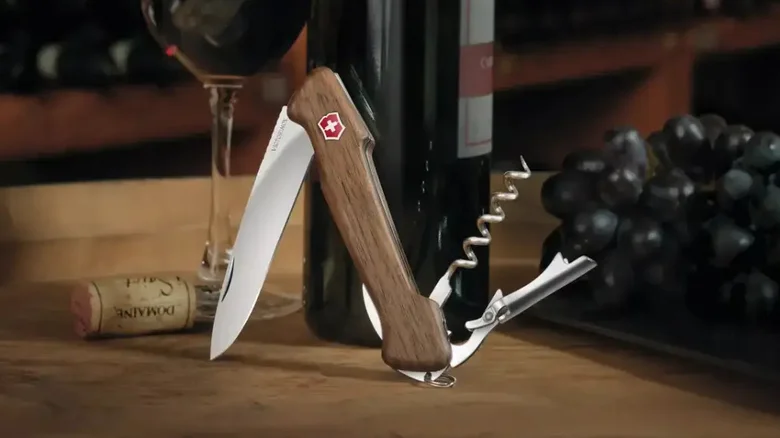
Let’s get personal for a second. I’ve had my Swiss Army Knife for over a decade, and it’s saved my bacon more times than I can count. From opening wine bottles at impromptu picnics to fixing a broken tent pole during a camping trip, this little tool has been my trusty sidekick.

And here’s the thing: in a world of disposable gadgets, a Swiss Army Knife is a reminder that some things are built to last.


Final Thoughts

So, who owns the Swiss Army Knife brand? Victorinox. Where are they made? In the picturesque town of Ibach, Switzerland. But more than that, Swiss Army Knives are a testament to craftsmanship, tradition, and practicality.

Whether you’re an outdoor enthusiast, a DIY junkie, or just someone who likes to be prepared, a Swiss Army Knife is a must-have. And hey, if nothing else, it’ll make you feel like a secret agent.
ADVERTISEMENT
RECOMMENDED
NEXT UP

Apple’s entry-level iPad has just become its most compelling deal ever, dropping to a **record-low price of 299∗∗(normally299∗∗(normally349) at major retailers including Amazon, Walmart, and Best Buy. For anyone needing a reliable, no-frills tablet for everyday tasks—streaming, web browsing, light productivity, and video calls—this is one of the best tech bargains of the year.

What’s New in the 11th-Gen iPad?

Compared to its predecessor, Apple’s latest budget iPad brings meaningful upgrades that make it a much better long-term investment:

✔ A16 Bionic Chip – The same processor powering the iPhone 14, delivering smoother performance for multitasking and apps.
✔ 128GB Base Storage – Double the 64GB of the 10th-gen model—no more constant storage anxiety.
✔ 11-inch Liquid Retina Display – More screen space for movies, reading, and productivity.
✔ Improved 12MP Front Camera – Better for Zoom calls and FaceTime.
✔ USB-C Apple Pencil Support – Great for note-taking and light creative work.

Who Should Buy This iPad?

✅ Students – Perfect for note-taking (with Apple Pencil), research, and streaming lectures.
✅ Casual Users – Ideal for browsing, social media, and video streaming.
✅ Remote Workers – A solid secondary device for emails, Slack, and video calls.
✅ Families – A durable, long-lasting tablet for kids’ entertainment and learning.

What You’re Missing (And Why It Might Not Matter)

As Apple’s most affordable tablet, the 11th-gen iPad lacks some premium features:

❌ No Apple Intelligence (AI Features) – Only newer iPads (Pro, Air) support Apple’s upcoming AI tools.
❌ No Apple Pencil Pro Support – The USB-C Pencil works fine, but you miss extras like Find My and squeeze gestures.
❌ Non-Laminated Display – Slightly thicker bezels and less premium feel than the iPad Air.

But here’s the thing: If you just need a fast, dependable tablet without the bells and whistles, these omissions won’t affect your experience.

Is This the Best Budget Tablet in 2024?

iPad vs. The Competition

Feature11th-Gen iPad ($299)Samsung Galaxy Tab S9 FE ($399+)Amazon Fire Max 11 ($229)
PerformanceA16 Bionic (Very Fast)Exynos 1380 (Mid-Range)Mediatek (Basic)
Display11″ Liquid Retina10.9″ LCD11″ LCD
Stylus SupportUSB-C Apple PencilS Pen IncludedNo Precision Stylus
SoftwareiPadOS (5+ Years Updates)One UI (Slower Updates)Fire OS (Limited Apps)
Best ForAll-around useAndroid fansPrime Video & Kindle users

Verdict: If you want long-term software support, better performance, and Apple ecosystem benefits, the iPad is still the best value.

Final Recommendation

For $299, the 11th-gen iPad is a no-brainer for casual users. It’s fast enough for daily tasks, has great battery life, and will receive updates for years. Unless you need AI features or a pro-level stylus, this is the best cheap iPad deal right now.

In a major win for smart home enthusiasts, SwitchBot has announced plans to integrate over 45 of its products with Home Assistant in the first half of 2024. This move, confirmed in an email to The Verge, underscores SwitchBot’s commitment to interoperability and user flexibility in the rapidly evolving smart home ecosystem. Among the highlighted devices is the highly anticipated SwitchBot Hub 3, which was recently revealed in a filing with the Connectivity Standards Alliance.

What’s New in SwitchBot’s Home Assistant Integration?

SwitchBot’s integration rollout, set to begin in April, will include some of its most popular devices, such as:

  • Robot Vacuum K10 Plus Pro: A powerful cleaning solution that can now be seamlessly controlled via Home Assistant.
  • Curtain 3 Smart Shades: Automate your window treatments with precision and ease.
  • Garage Door Opener: Add your garage to your smart home network for enhanced security and convenience.

These new integrations will join existing SwitchBot devices like the SwitchBot Lock Pro, which already supports Home Assistant. This expansion not only enhances the functionality of SwitchBot’s ecosystem but also solidifies its position as a leader in the smart home industry.

Why This Matters for Home Assistant Users

Home Assistant, an open-source platform beloved by tech-savvy users, thrives on its ability to unify devices from various brands under one roof. However, integrations with major smart home players can often be fragile. Companies sometimes make undocumented software changes or actively block third-party integrations, leaving users frustrated.

SwitchBot’s proactive approach to integrating its devices with Home Assistant is a breath of fresh air. By officially supporting these integrations, SwitchBot ensures a stable, reliable, and user-friendly experience. This is particularly important for Home Assistant users who value customization and control over their smart home setups.

The Bigger Picture: A Shift Toward Open Ecosystems

SwitchBot’s announcement reflects a growing trend in the smart home industry: the push for open ecosystems and interoperability. As more consumers demand seamless integration across devices, companies like SwitchBot are stepping up to meet these expectations. This move not only benefits users but also fosters innovation and competition in the market.

For Home Assistant users, this means greater flexibility and fewer headaches. Instead of relying on fragile community-created integrations, they can now enjoy official support for a wide range of SwitchBot devices. This is a win for both convenience and reliability.

What’s Next for SwitchBot and Home Assistant?

With the first wave of integrations launching in April, users can look forward to a more cohesive and powerful smart home experience. The inclusion of devices like the Robot Vacuum K10 Plus Pro and Curtain 3 Smart Shades demonstrates SwitchBot’s dedication to enhancing everyday life through technology.

As the smart home landscape continues to evolve, partnerships like this one between SwitchBot and Home Assistant will play a crucial role in shaping the future of connected living. For now, smart home enthusiasts have plenty to be excited about as SwitchBot brings its innovative products into the Home Assistant fold.

ADVERTISEMENT
Receive the latest news

Subscribe To Our Weekly Newsletter

Get notified about new articles