Techfullpost

What is Starlink PoP? Techfullpost Explains

Starlink pop/techfullnews

Imagine a world where high-speed internet is available everywhere—whether you’re in a bustling city, a remote village, or even in the middle of the ocean. This is the vision behind Starlink, SpaceX’s ambitious satellite internet project. But have you ever wondered how this global network actually connects to the internet we know and use every day? The answer lies in something called a Starlink PoP, or Point of Presence.

In this article, we’ll dive deep into what a Starlink PoP is, how it works, and why it’s a critical piece of the puzzle in bringing high-speed internet to the most remote corners of the world. Whether you’re a tech enthusiast, a business owner, or just someone curious about the future of connectivity, this guide will break it all down in an easy-to-understand, engaging way.


What is Starlink? A Quick Overview

Before we get into the nitty-gritty of Starlink PoPs, let’s take a step back and understand what Starlink is all about.

Starlink is a satellite internet constellation developed by SpaceX, the aerospace company founded by Elon Musk. The goal is to provide high-speed, low-latency internet access to every corner of the globe, especially in areas where traditional internet infrastructure (like fiber-optic cables) is unavailable or unreliable.

As of 2023, Starlink has launched over 4,000 satellites into low Earth orbit (LEO), with plans to deploy thousands more. These satellites work together to create a mesh network that beams internet signals directly to user terminals (the dish-like devices you see on rooftops).

But here’s the catch: satellites alone can’t provide internet access. They need a way to connect to the broader internet—and that’s where Starlink PoPs come into play.


What is a Starlink PoP?
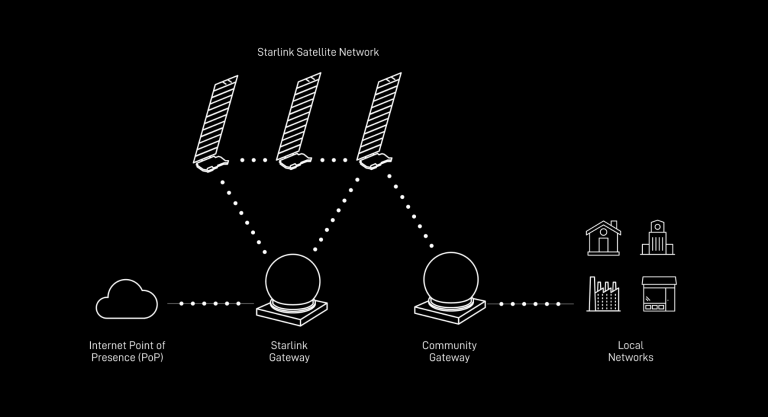
Starlink Point of Presence (PoP) is a ground-based station that acts as a bridge between the Starlink satellite network and the traditional internet infrastructure. Think of it as a gateway that connects the “space internet” to the “earth internet.”

How Does a Starlink PoP Work?

  1. Satellites in Space: Starlink satellites in low Earth orbit communicate with each other using laser links, creating a seamless network in space.
  2. User Terminals on Earth: Customers use Starlink dishes to connect to these satellites and access the internet.
  3. Ground Stations (PoPs): The satellites relay data to and from Starlink PoPs, which are strategically located around the world. These PoPs are connected to the global internet via high-speed fiber-optic cables.

In simpler terms, when you send a request (like loading a webpage), it travels from your Starlink dish to a satellite, then to a PoP, and finally to the internet. The response follows the same path in reverse.


Why Are Starlink PoPs Important?

Starlink PoPs are the backbone of the entire Starlink network. Without them, the satellites would be like cars without roads—unable to reach their destination. Here’s why they’re so crucial:

1. Connecting Remote Areas

Traditional internet infrastructure is expensive and time-consuming to deploy, especially in remote or rural areas. Starlink PoPs enable satellite internet to bypass these challenges, bringing connectivity to places that were previously off the grid.

For example, a farmer in rural Montana or a researcher in Antarctica can now access high-speed internet thanks to Starlink and its PoPs.

2. Reducing Latency

One of the biggest advantages of Starlink is its low latency (the time it takes for data to travel from one point to another). By placing PoPs close to major internet hubs, Starlink minimizes the distance data has to travel, resulting in faster speeds and smoother performance.

3. Scalability

As more users join the Starlink network, the demand for bandwidth increases. PoPs allow Starlink to scale its operations by adding more ground stations and upgrading existing ones.


Real-Life Examples of Starlink PoPs in Action

To better understand the impact of Starlink PoPs, let’s look at some real-world examples:

1. Disaster Relief

In 2020, when wildfires devastated parts of California, traditional communication networks were disrupted. Starlink stepped in, providing emergency internet access to first responders and affected communities. The PoPs played a critical role in ensuring seamless connectivity during this crisis.

2. Rural Education

In rural areas where schools lack reliable internet, Starlink has been a game-changer. For instance, a school district in Texas used Starlink to provide students with access to online learning resources, bridging the digital divide.

3. Maritime and Aviation

Starlink is also revolutionizing connectivity at sea and in the air. Cruise ships, cargo vessels, and even private jets are now using Starlink to stay connected while on the move. PoPs ensure that these mobile users have consistent access to high-speed internet.


How Starlink PoPs Are Optimized for Performance

Starlink PoPs aren’t just ordinary ground stations—they’re designed with cutting-edge technology to deliver the best possible performance. Here’s how:

1. Strategic Locations

Starlink PoPs are strategically placed near major internet exchange points (IXPs) to minimize latency and maximize speed. For example, a PoP in Chicago might connect to the city’s IXP, ensuring fast access to popular websites and services.

2. Redundancy

To ensure reliability, Starlink often builds multiple PoPs in the same region. If one PoP goes offline, traffic can be rerouted to another, preventing service interruptions.

3. Advanced Hardware

Starlink PoPs are equipped with state-of-the-art antennas and networking equipment to handle massive amounts of data. This ensures that the network can support millions of users without compromising on speed or quality.


The Future of Starlink PoPs

As Starlink continues to expand, so will its network of PoPs. Here are some trends to watch:

1. More PoPs in Developing Countries

Starlink has already launched services in several developing countries, including Nigeria and Rwanda. As demand grows, we can expect to see more PoPs in these regions, bringing affordable internet access to underserved populations.

2. Integration with 5G Networks

In the future, Starlink PoPs could play a key role in integrating satellite internet with 5G networks. This would enable even faster speeds and lower latency, opening up new possibilities for IoT (Internet of Things) and smart cities.

3. Enhanced Security

With cyber threats on the rise, Starlink is likely to invest in advanced security measures for its PoPs. This could include encryption, firewalls, and AI-powered threat detection systems.


The Unsung Hero of Global Connectivity

Starlink PoPs may not get as much attention as the shiny satellites or sleek user terminals, but they are the unsung heroes of the Starlink network. Without these ground stations, the dream of global satellite internet would remain just that—a dream.

As Starlink continues to grow, its PoPs will play an increasingly important role in shaping the future of connectivity. Whether it’s bridging the digital divide, supporting disaster relief efforts, or enabling new technologies, Starlink PoPs are at the heart of it all.

So the next time you stream a movie, join a video call, or browse the web using Starlink, take a moment to appreciate the incredible technology that makes it all possible—starting with the humble PoP.


By understanding what a Starlink PoP is and how it works, you’re not just learning about a piece of technology—you’re gaining insight into the future of global connectivity. And who knows? Maybe one day, you’ll be the one designing the next generation of PoPs, helping to bring the world closer together, one satellite at a time.
ADVERTISEMENT
RECOMMENDED
NEXT UP

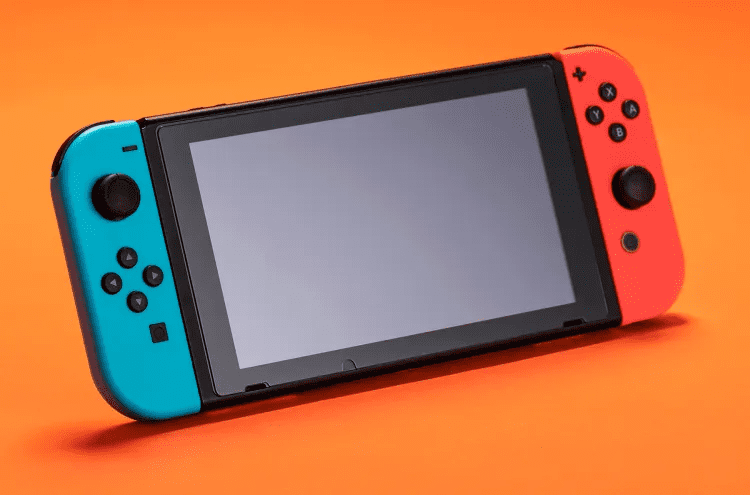
Nintendo is officially moving into a new era. In its just-posted financial results briefing, the gaming giant confirmed that it’s shifting its main development efforts to the Nintendo Switch 2, a decisive move away from the original 2017 Switch that rebooted the company’s fortunes.

“Going forward, we will shift our primary development focus to Nintendo Switch 2 and expand our business around this new platform,” Nintendo said during its briefing.

The announcement effectively signals that the Nintendo Switch’s eight-year reign is beginning to wind down, even if the company isn’t ready to retire the console completely just yet.

Switch Still in Stores, But Support Will Gradually Fade

Nintendo pointed out that it would also continue to sell the original Switch hardware for the foreseeable future, adjusting its production and marketing strategy “in line with consumer demand and business conditions.” But the writing is on the wall: as developers shift their focus, new releases for the older system will inevitably slow.

The company sought to reassure fans that various major titles were still planned for the Switch, with launches from October onwards: these may include final first-party releases or updates to existing franchises aimed at keeping the system’s large player base engaged as the next generation gains momentum.

Sell Switch 2 Off to a Strong Start

Off to an amazing start despite still having a few months into its lifecycle, the Nintendo Switch 2 has already sold over 10.36 million units worldwide since its launch back in June, according to data from Nintendo.

Notably, 84 percent of buyers were existing Switch owners — a clear sign that the new console is attracting loyal fans upgrading to the next generation rather than drawing in entirely new users. While that number still represents a fraction of the original Switch’s staggering 154 million lifetime sales, the company says it’s observing a “uniform migration” toward the newer platform.

This is in line with what has been happening in all major console transitions: early adoption is driven by the existing user base before the wider audience starts buying.

The Legacy of the Nintendo Switch

When the Nintendo Switch launched in March 2017, it marked a revolutionary hybrid console that combined handheld portability with the more traditional style of home gaming. It quickly became one of Nintendo’s most successful systems to date, revitalizing the company from underperforming sales of the Wii U and an era-defining lineup of games that included The Legend of Zelda: Breath of the Wild, Super Mario Odyssey, and Animal Crossing: New Horizons.

The versatility and affordability of the system helped it capture an immense audience worldwide, crossing over 154 million units in lifetime sales, making it the third-best-selling console in history after the PlayStation 2 and Nintendo DS.

What’s Next for the Switch 2

While Nintendo has not talked about all the technical details of Switch 2, reports and leaks indicate that it has a more powerful chipset, faster loading times, and increased graphical capabilities-all of which would draw Nintendo closer to the level of visual fidelity shown in their competitors, the PlayStation 5 and Xbox Series X.

This generational shift is pivotal for Nintendo-a balance between paying homage to a record-breaking legacy and forging ahead with innovation. While the company has managed transitions quite well in the past, with the original Switch still performing well in markets such as Japan and Europe, Nintendo faces the challenge of gradually sunsetting one of its most beloved consoles without alienating its vast player community. The message, as the Switch 2 gains even more momentum, is clear: the future of Nintendo is already here — and it’s building on the base of one of the most successful consoles ever made.

There are also rumors that the backward compatibility will be improved, allowing existing Switch owners to carry forward their digital libraries. With a larger OLED display combined with an enhanced Joy-Con design, the new console seems set to deliver performance and comfort upgrades in equal measure.

Analysts anticipate the Switch 2 will be the leader of the 2025 gaming cycle, especially with expected first-party games such as Metroid Prime 4, The Legend of Zelda sequel projects, and maybe new Mario entries already in development for the console.

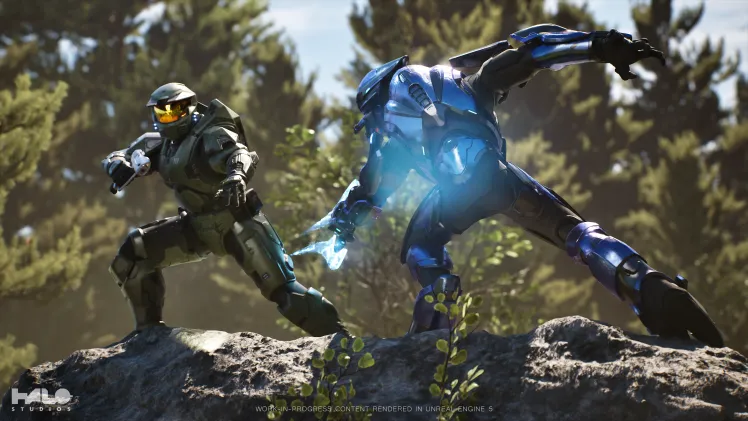
A few years ago, the idea that Halo — the game that is synonymous with Xbox’s brand name — would be making a move to a PlayStation console would have been something akin to a parallel universe. But in 2025, that extremely unlikely truth is playing itself out. What was the pinnacle of the exclusivity of Xbox is now the most glaring sign that Microsoft’s gaming division is undergoing a ginormous transformation — one driven by survival, strategy, and the changing nature of the gaming industry.

From Locked Walls to Open Doors

Xbox’s previously locked-down environment is collapsing quickly. The company has been systematically knocking down its walls of exclusivity, inviting its biggest franchises into competition. What once was an experiment with smaller titles like Grounded and Pentiment on Nintendo Switch and Hi-Fi Rush and Sea of Thieves on PlayStation 5 has turned into a risky, multi-platform gamble.

Now, Microsoft’s biggest franchises — Indiana Jones and The Great Circle, Senua’s Saga: Hellblade II, Gears of War, and soon Halo — are not just “Xbox games.” They’re trans platform, cross-device gaming experiences.

It’s not really a software change but a change on what Xbox is in 2025. As Xbox executive Sarah Bond told Mashable, “The biggest games in the world are available everywhere. The idea of locking games to one store or one device is antiquated for most people.”

And she’s right — accessibility is the way to success. Sony’s report of May sales shows that Xbox-published titles like Indiana Jones, The Elder Scrolls V: Oblivion Remastered, and Forza Horizon 5 topped the highest downloads on PlayStation 5. Even Microsoft-owned games like Call of Duty: Black Ops 6 and Minecraft top charts across platforms.

The Business Behind the Shift

The transition away from Xbox consoles is not philosophical — it’s practical. Xbox hasn’t been able to compete with PlayStation and Nintendo in console hardware sales. Subscription growth of Xbox Game Pass has crested, and the formerly bright hope of “Netflix for games” is vanishing in the face of saturation and rising cost.

Even as it is, American tariff policies are driving console costs higher, turning the earlier trend of hardware getting cheaper by the day on its head. In an era where customers are prioritizing utility over entertainment indulgences, Microsoft’s Play Anywhere and Cloud Gaming initiatives become lifelines — allowing players to experience games on devices they already own.

“We’re trying to meet people where they are,” said Matt Booty, president of Xbox Game Content and Studios, in a New York Times interview. That means making Xbox more than a console — it’s a brand that spans PCs, TVs, mobile devices, and rival systems.

But comfort for die-hards is that Xbox isn’t abandoning hardware altogether. Bond suggested that the next-gen console will be “a very premium, high-end curated experience.” As Microsoft launched its pricey ROG Ally handhelds, it’s clear that the company remains committed to keeping one foot firmly in the high-end gaming market.

Trouble Beneath the Surface

But beneath this high-flying reorganization, Xbox is in turmoil. The company has shut down a number of studios, including Arkane Austin and Tango Gameworks — the former being the developer of fan favorite Hi-Fi Rush. High-profile titles like Perfect Dark and Everwild have been quietly canceled, and Fable’s much-hyped reboot has been delayed until 2026.

Even Halo Infinite, the one that was meant to reignite the franchise, failed critically and commercially. And so, now that the original Halo franchise is being released on PlayStation in an enhanced form, the fans cannot help but wonder: is this an expansion or a white flag?

Simultaneously, The Elder Scrolls VI persists in development purgatory six years after it was first revealed, and Fallout — with renewed hype due to Amazon’s hit TV show adaptation — has not seen a significant new game release in years. Todd Howard’s promise that Fallout 5 is “eventually coming” fails to assuage the skepticism.

Internal Strains and Image Problems

A recent Bloomberg article discovered that Microsoft set its gaming division a disputed 30% profit margin target, leading to unpopular actions such as increasing Game Pass prices and shutting down various studios.

The company’s new ROG Ally handhelds, priced at $600 to $1,000, have also been panned as too pricey and half-baked. Ironically enough, during a company town hall meeting, Booty highlighted “smaller, prestige games that win awards” — the day after shutting down the studio responsible for one of the handful of games that fit that description.

Microsoft has also been criticized for its global reputation. The firm was targeted by the BDS movement for alleged ties to Israeli defense practices and was confronted by worker demonstrations over its AI transactions with the Israeli regime. Perhaps most recently, Xbox’s Halo franchise found itself embroiled in scandal when the U.S. Department of Homeland Security used its imagery in a highly criticized ICE recruitment ad — an ad that Microsoft declined to comment on.

The Future of Xbox: Platform Over Console

Despite all the madness, Halo’s PlayStation debut isn’t the death of Xbox — it’s a redefinition of what Xbox is in 2025. Old-school “console war” among Sony, Nintendo, and Microsoft is over. The real war now is in time and attention — with platforms like TikTok, Fortnite, Roblox, and YouTube battling for large slices of gamers’ free time.

Microsoft’s new strategy welcomes that reality: to survive, Xbox must succeed everywhere. And that means embracing its competitors instead of fighting them.

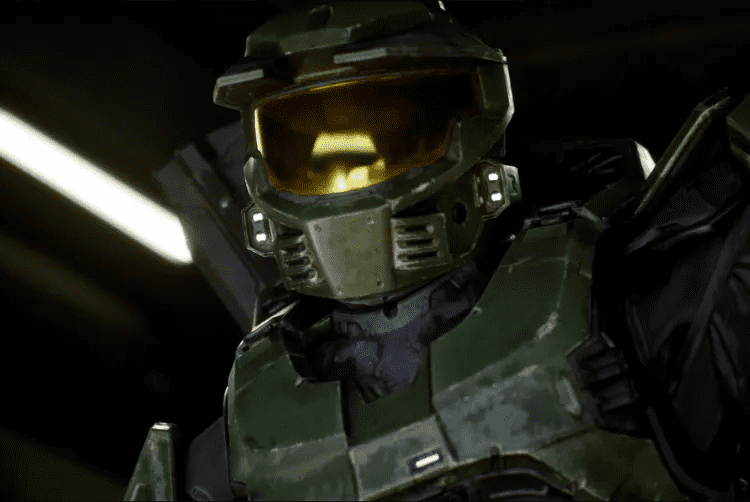
So yes, seeing Master Chief — the iconic mascot of Xbox — on a PlayStation screen is surreal. But it is also representative of an industry evolving beyond old boundaries.

As the new chapter in gaming is written, Microsoft’s agility can be its salvation. Xbox will not perhaps capture the hardware war, but in the battle for the attention of gamers, it is positioning itself to stay in the game for many a long year to come.

ADVERTISEMENT
Receive the latest news

Subscribe To Our Weekly Newsletter

Get notified about new articles