If you’ve ever shopped online, chances are you’ve heard of Alibaba. But what exactly is Alibaba? Is it just an online marketplace, or is there more to this global powerhouse? Whether you’re a business owner, a tech enthusiast, or simply curious about how the e-commerce world works, this article will break down everything you need to know about Alibaba in an engaging, easy-to-understand way.
What is Alibaba? A Quick Overview
At its core, Alibaba is a Chinese multinational technology company specializing in e-commerce, retail, internet, and technology. Founded in 1999 by Jack Ma and a group of 17 friends, Alibaba has grown from a small startup to one of the largest companies in the world. Think of it as a combination of Amazon, eBay, PayPal, and Google—all rolled into one.
But Alibaba isn’t just an online shopping platform. It’s an ecosystem that connects buyers and sellers, facilitates payments, provides cloud computing services, and even powers logistics and entertainment. In short, Alibaba is a one-stop shop for all things digital.
How Did Alibaba Start? The Story Behind the Name
The name Alibaba was inspired by the famous Middle Eastern folk tale, Ali Baba and the Forty Thieves. Jack Ma chose this name because it’s universally recognized and easy to pronounce in multiple languages. The idea was to create a platform that would open doors to endless opportunities, much like the magical phrase “Open Sesame” in the story.
How Does Alibaba Work? Breaking Down the Business Model
Alibaba operates through a variety of platforms and services, each catering to different needs. Here’s a breakdown of its core businesses:
- Alibaba.com: The B2B Marketplace
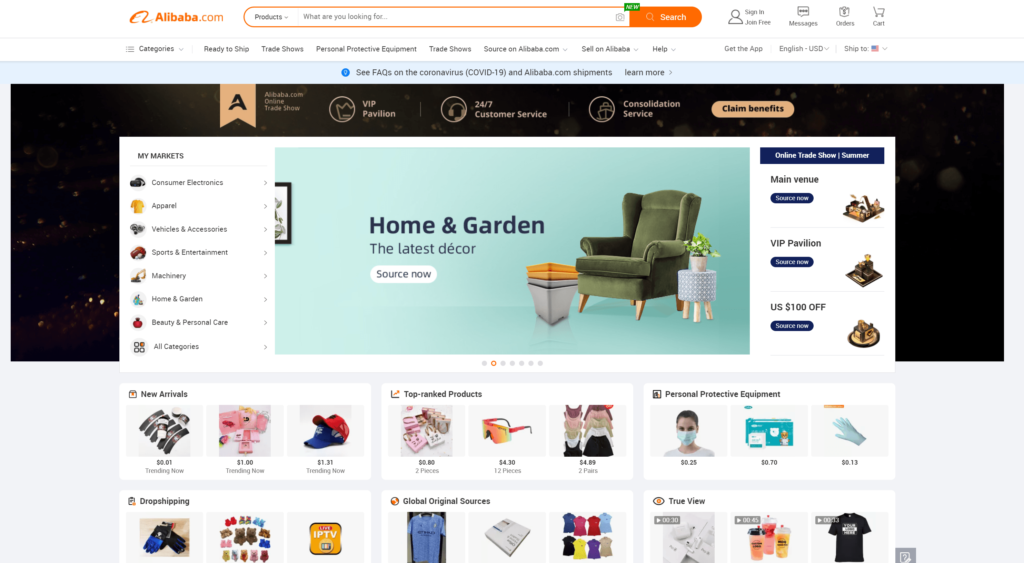
Alibaba.com is the company’s flagship platform, connecting businesses worldwide. It’s a business-to-business (B2B) marketplace where manufacturers, wholesalers, and retailers can buy and sell products in bulk. For example, a small business in the U.S. can source affordable electronics directly from a factory in China. - Taobao: The C2C Marketplace
Taobao is a consumer-to-consumer (C2C) platform, similar to eBay. It allows individuals and small businesses to sell products directly to consumers. With over a billion product listings, Taobao is a go-to platform for unique and affordable items. - Tmall: The B2C Marketplace
Tmall is a business-to-consumer (B2C) platform where brands sell directly to consumers. Think of it as the Amazon of China, offering everything from luxury goods to everyday essentials. Brands like Nike, Apple, and Estée Lauder have official stores on Tmall. - Alipay: The Payment Gateway
Alipay is Alibaba’s answer to PayPal. It’s a digital payment platform that facilitates secure transactions between buyers and sellers. With over 1 billion users, Alipay is one of the most widely used payment systems in the world. - AliCloud: The Cloud Computing Arm
AliCloud (also known as Alibaba Cloud) provides cloud computing services to businesses and individuals. It’s similar to Amazon Web Services (AWS) and offers solutions like data storage, artificial intelligence, and machine learning. - Cainiao: The Logistics Network
Cainiao is Alibaba’s logistics arm, ensuring that products are delivered quickly and efficiently. It uses advanced technology like AI and big data to optimize delivery routes and reduce costs.
Why is Alibaba So Successful? Key Factors Behind Its Growth
Alibaba’s success can be attributed to several factors:
- First-Mover Advantage in China
When Alibaba was founded, e-commerce was still in its infancy in China. By being one of the first companies to enter the market, Alibaba established itself as a leader and built a loyal customer base. - Diverse Ecosystem
Unlike many competitors, Alibaba offers a wide range of services under one roof. From e-commerce and payments to cloud computing and entertainment, Alibaba’s ecosystem creates a seamless experience for users. - Focus on Small Businesses
Alibaba has always prioritized small and medium-sized enterprises (SMEs). By providing affordable tools and platforms, Alibaba empowers small businesses to compete on a global scale. - Innovation and Technology
Alibaba invests heavily in technology, from AI and machine learning to blockchain and quantum computing. This focus on innovation keeps the company ahead of the curve.
Real-Life Examples of Alibaba in Action
Let’s take a look at some real-life examples of how Alibaba is transforming industries:
Example 1: Singles’ Day
Singles’ Day, celebrated on November 11, is the world’s largest shopping event, thanks to Alibaba. In 2023, Alibaba generated over $84 billion in sales during the 24-hour event, surpassing Black Friday and Cyber Monday combined.
Example 2: Rural E-Commerce
Alibaba is bridging the gap between urban and rural areas in China. Through its Rural Taobao initiative, the company helps farmers sell their products online, boosting local economies and improving livelihoods.
Example 3: Smart Logistics
Cainiao’s smart logistics network uses robots and AI to sort and deliver packages. During peak seasons, Cainiao can process over 1 billion orders, ensuring timely deliveries.
The Benefits of Alibaba: Why It Matters
Alibaba offers numerous benefits to both businesses and consumers:
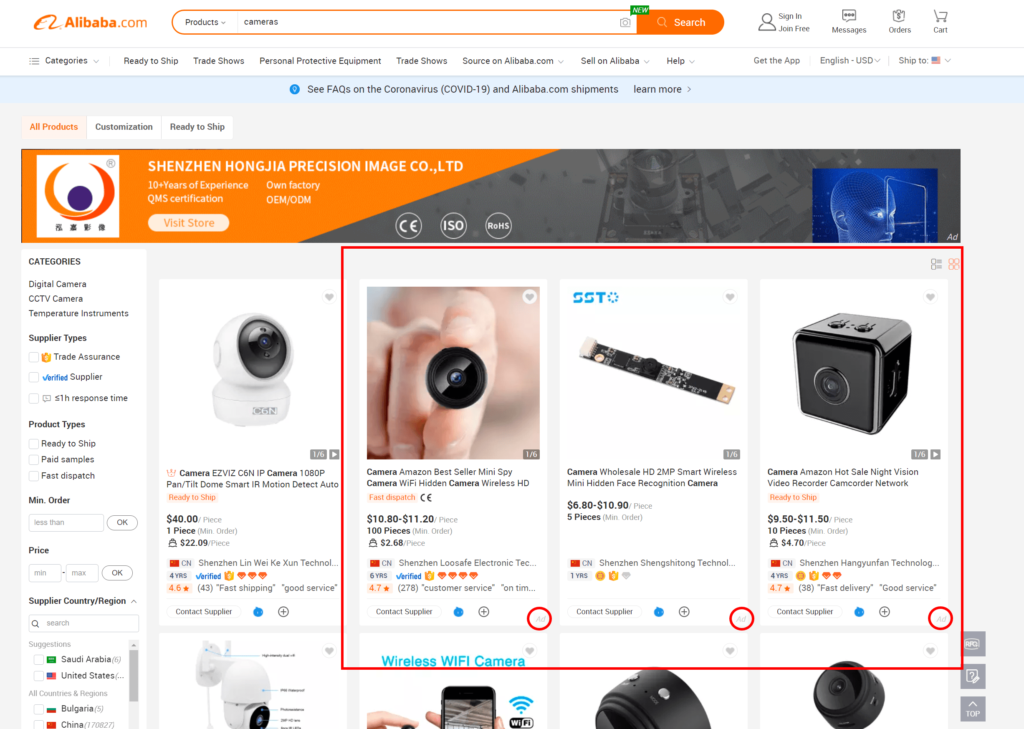
Global Reach: Alibaba connects buyers and sellers from over 200 countries.
Affordable Prices: By cutting out middlemen, Alibaba offers competitive prices.
Convenience: With everything from shopping to payments under one roof, Alibaba makes life easier for users.
Empowerment: Alibaba provides tools and resources for small businesses to thrive.
Challenges and Criticisms of Alibaba
While Alibaba has achieved tremendous success, it’s not without challenges:
Counterfeit Goods
One of the biggest criticisms of Alibaba is the prevalence of counterfeit products on its platforms. The company has taken steps to address this issue, but it remains a concern for brands and consumers.
Regulatory Scrutiny
Alibaba has faced regulatory challenges in China and abroad. In 2021, the company was fined $2.8 billion by Chinese regulators for antitrust violations.
Competition
Alibaba faces stiff competition from rivals like JD.com and Pinduoduo in China, as well as global players like Amazon.
The Future of Alibaba: What’s Next?
The future of Alibaba looks promising, with several exciting developments on the horizon:
Expansion into Global Markets
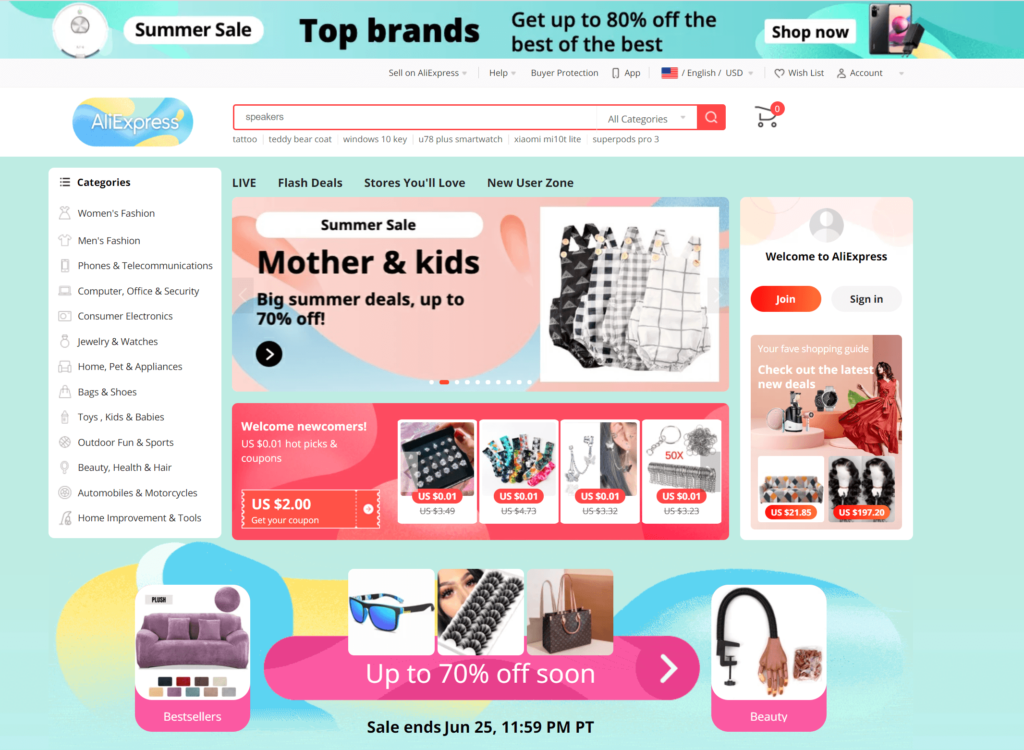
Alibaba is expanding its presence outside China, particularly in Southeast Asia, Europe, and the U.S. Platforms like Lazada and AliExpress are gaining popularity worldwide.
Focus on Sustainability
Alibaba is committed to sustainability, with initiatives like carbon-neutral logistics and green packaging.
Advancements in Technology
Alibaba continues to invest in cutting-edge technologies like AI, blockchain, and quantum computing, positioning itself as a leader in innovation.
How to Get Started with Alibaba
Interested in exploring Alibaba? Here’s how you can get started:
Create an Account: Sign up on Alibaba.com, Taobao, or Tmall, depending on your needs.
Explore Products: Use the search bar to find products or suppliers.
Connect with Suppliers: Message sellers to negotiate prices and terms.
Use Alipay: Set up an Alipay account for secure payments.
Leverage Tools: Take advantage of Alibaba’s tools for marketing, logistics, and analytics.
Conclusion: Why Alibaba is a Game-Changer
Alibaba is more than just an e-commerce platform—it’s a global phenomenon that’s reshaping the way we shop, do business, and interact with technology. From its humble beginnings in a small apartment in Hangzhou to its current status as a tech giant, Alibaba’s journey is a testament to the power of innovation, perseverance, and vision.
Whether you’re a business owner looking to expand your reach or a consumer searching for affordable products, Alibaba offers something for everyone. As the company continues to evolve, one thing is clear: Alibaba is here to stay, and its impact on the world will only grow stronger.
So, the next time you hear the name Alibaba, you’ll know exactly what it represents—a world of endless possibilities, powered by technology and driven by a commitment to making life better for everyone.
FAQs About Alibaba
Q: Is Alibaba only for Chinese consumers?
A: No, Alibaba serves customers and businesses worldwide. Platforms like AliExpress cater specifically to international buyers.
Q: How is Alibaba different from Amazon?
A: While both are e-commerce giants, Alibaba operates as a marketplace connecting buyers and sellers, whereas Amazon sells products directly and also hosts third-party sellers.
Q: Is it safe to buy from Alibaba?
A: Yes, but it’s important to research sellers, read reviews, and use secure payment methods like Alipay.
Q: Can individuals sell on Alibaba?
A: Yes, individuals can sell on platforms like Taobao, while businesses typically use Alibaba.com or Tmall.
Q: What is Alibaba’s revenue?
A: In 2023, Alibaba reported over $130 billion in annual revenue, making it one of the most valuable companies in the world.
By understanding Alibaba’s ecosystem and its impact, you can unlock new opportunities and stay ahead in the ever-evolving world of e-commerce. So, what are you waiting for? Dive into the world of Alibaba today!