Techfullpost

Gadgets

The Evolution of Airport Security: How Full-Body Scanners Balance Safety and Privacy

Full-Body Scanners

Since the tragic events of September 11, 2001, airport security has undergone a dramatic transformation. The Transportation Security Administration (TSA) has introduced a range of advanced technologies to enhance safety, including explosives detection systems, canine teams, and full-body scanners. While these measures are designed to protect travelers, they have also sparked significant debates about privacy and personal dignity. This article explores the evolution of full-body scanners, how they work, and the steps taken to address privacy concerns while maintaining robust security.


The Rise of Full-Body Scanners

Full-body scanners were introduced in 2010 following the failed “Underwear Bomber” attack in 2009. These scanners were designed to detect concealed weapons, explosives, and other threats hidden beneath clothing. Initially, two types of scanners were deployed:

  1. Millimeter Wave Scanners: These use harmless electromagnetic waves to create a 3D image of the body.
  2. Backscatter X-Ray Scanners: These use low-level X-rays to produce a detailed image of the body, including private areas.

While both technologies were effective at identifying threats, the backscatter X-ray scanners raised significant privacy concerns due to their highly revealing images.


Privacy Concerns and Public Backlash

When backscatter X-ray scanners were first introduced, many travelers felt uncomfortable with the idea of TSA agents viewing near-nude images of their bodies. News outlets like CBS reported that 15% of Americans refused to undergo the scans, calling them a “virtual strip search.” Vulnerable groups, including the transgender community, expressed concerns about potential humiliation and discrimination, as agents could zoom in on specific body parts.

These concerns led to widespread criticism and calls for change. Advocacy groups and lawmakers pushed for a balance between security and privacy, prompting the TSA to reevaluate its use of backscatter scanners.


The Shift to Millimeter Wave Scanners

In response to public outcry, the TSA began phasing out backscatter X-ray scanners in 2013. Millimeter wave scanners became the standard, offering a more privacy-conscious solution. According to TSA spokesperson David Castelveter, the transition was strategic, with older equipment being moved to smaller airports.

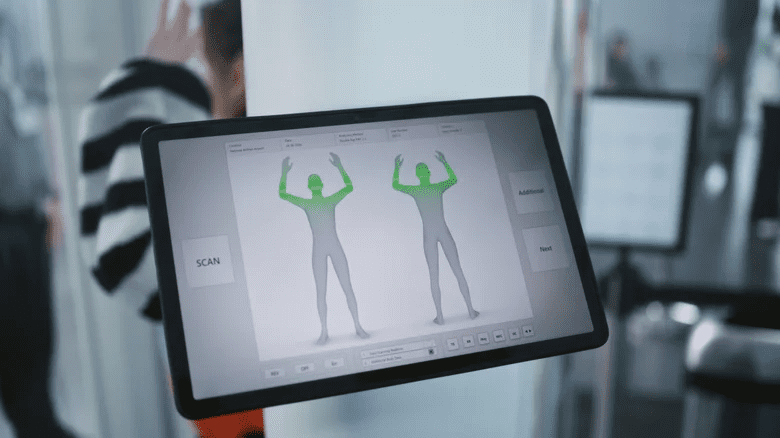
Today’s millimeter wave scanners use advanced software to generate a generic, gender-neutral avatar of the passenger. Instead of displaying detailed images of the body, the scanner highlights areas that may require additional screening. This approach ensures that privacy is respected while maintaining high security standards.


How Modern Full-Body Scanners Work

Modern full-body scanners are designed with privacy in mind. Here’s how they function:

  • Generic Avatar: The scanner creates a nondescript, paper doll-like image of the passenger, eliminating details like weight, height, or private areas.
  • Targeted Alerts: If the scanner detects a potential threat, it highlights the area on the avatar, allowing TSA agents to conduct a focused pat-down or inspection.
  • No Storage: The images are not stored or saved, ensuring that passengers’ privacy is protected.

This technology strikes a balance between effective threat detection and respect for individual dignity.


Additional Security Measures

In addition to full-body scanners, the TSA has implemented other advanced security measures to keep airports safe:

  • Explosives Trace Detection (ETD): Agents may swab passengers’ hands, luggage, or electronic devices to test for traces of explosives.
  • Prohibited Items: Certain electronics and liquids are restricted to prevent potential threats.
  • Behavioral Analysis: TSA agents are trained to identify suspicious behavior or anomalies during the screening process.

These measures work in tandem with full-body scanners to create a multi-layered security system.


The Future of Airport Security

As technology continues to evolve, so too will airport security. The TSA is exploring new innovations, such as biometric screening and artificial intelligence, to enhance safety while minimizing inconvenience for travelers. The goal is to create a seamless and respectful screening process that prioritizes both security and privacy.


Key Takeaways

  • Full-body scanners were introduced in 2010 to detect concealed threats but initially raised significant privacy concerns.
  • Backscatter X-ray scanners, which produced detailed images of the body, were phased out in favor of millimeter wave scanners.
  • Modern scanners use generic avatars and targeted alerts to protect passenger privacy while maintaining security.
  • The TSA continues to implement advanced technologies and protocols to ensure safe and efficient airport screenings.

Why This Matters

Understanding the evolution of airport security helps travelers feel more informed and confident during the screening process. By balancing safety and privacy, the TSA aims to create a secure and respectful environment for all passengers. Whether you’re a frequent flyer or an occasional traveler, knowing how these systems work can make your journey smoother and less stressful.

As airport security continues to evolve, one thing remains clear: the commitment to protecting passengers while respecting their rights is at the heart of every innovation. Stay informed, stay safe, and travel with confidence.
ADVERTISEMENT
RECOMMENDED
Gadgets

DeWalt Adds New Multi-Battery Chargers to Their Power Tool Line for 2025

By George Mensah 3 min read

DeWalt is leading the power tool industry with innovations that are designed to make work more efficient, portable, and reliable. Dependably tough tools and reliable battery systems are what DeWalt’s reputation is built on, and now the company is pushing further ahead with two new innovative charging solutions — a 4 AMP Multiport Charger and a 15 AMP Power Controller — both for professionals and DIYers who utilize multiple DeWalt batteries to get the job done.

A Closer Examination of the DeWalt 4 AMP Multiport Charger

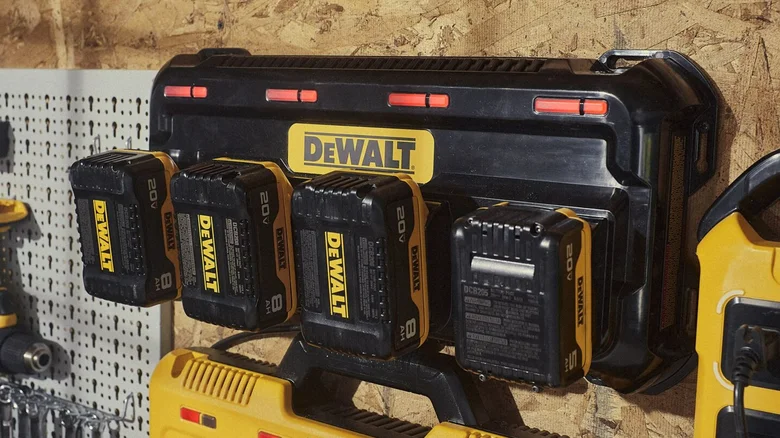
As battery-powered tools become more common place in the workshop and on the job site, DeWalt is expanding its offerings with a handy and efficient multi-battery charging platform. The new 4 AMP Multiport Charger will charge four DeWalt batteries simultaneously, cutting downtime and keeping the user ready to go all day.

Easily configured, the charger has LEDs that show the charge level of each battery and mounting holes for easy wall-mounting — ideal for clean installs in garages or building trailers. It charges 12V MAX, 20V MAX, and FlexVolt batteries, offering broad compatibility across DeWalt’s cordless tool system.

Like most of DeWalt’s premium equipment, the 4 AMP Multiport Charger is protected by the company’s three-year limited warranty, one year of complimentary service, and 90-day satisfaction guarantee, which gives professionals purchasing new equipment peace of mind.

While DeWalt has yet to release an official release date or price tag, the new charger will roll out in the coming months as part of the company’s 2025 launch of its line of power accessories.

The Heavyweight Arrives: DeWalt’s 15 AMP Power Controller

For larger workshops or commercial clients working with a full fleet of tools, DeWalt is also preparing to release an even more powerful charging solution — the 15 AMP Power Controller.

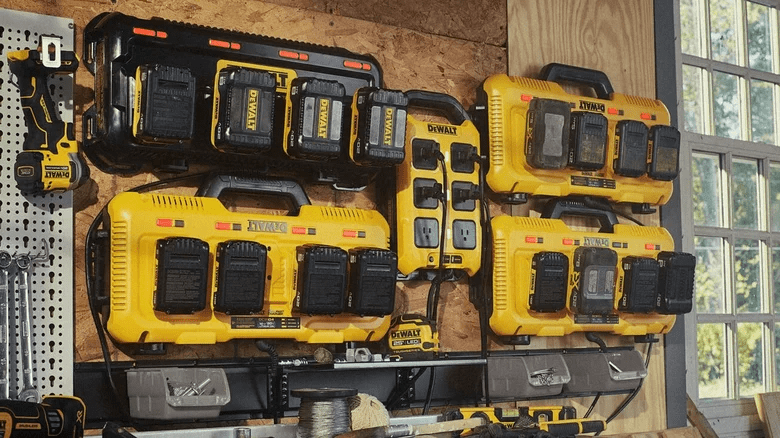
This is a gadget designed to serve as a charging station with the capability of charging a maximum of 24 DeWalt batteries. It is achieved through six integrated AC outlets to allow users to plug in multiple multiport chargers (such as the recently launched 4-port charger) for bulk charging.

The Power Controller is indeed a power management system that allows dependable energy supply with the aid of professionals in efficient charging amidst stressful settings. It’s a dream for contractors, technicians, and workshop owners, considering the inconvenience of operating dozens of tools each day.

Although details regarding the price and the number available remain under wraps, DeWalt has promised that the Power Controller will be supported by the same industry-leading warranty and service protections as the rest of its high-end products.

A Big Year for DeWalt Fans

2025 promises to be a good year for DeWalt, with a number of new releases in the pipeline designed to enhance efficiency, organization, and productivity. From intelligent cordless tools to smart charging systems, the company is clearly doubling down on innovation in its battery ecosystem — a growing priority as the company continues to transition away from corded and gas-powered tools.

As the need for portable, battery-powered equipment grows across industries, DeWalt’s recent introductions demonstrate the company’s dedication to being an industry leader in professional tools. The 4 AMP Multiport Charger and the 15 AMP Power Controller are certain to be top choices among serious users wanting uninterrupted workflow.

In the meantime, fans and users alike will have to wait for DeWalt to unveil official launch schedules — but judging by the excitement the new products are generating, that wait could be worth it.

Gadgets

Microsoft is letting go of over 6,000 workers

By George Mensah 2 min read

In a significant corporate reshuffle, Microsoft has confirmed plans to lay off over 6,000 employees—approximately 3% of its global workforce—marking its largest workforce reduction since its 10,000-employee cut in 2023. The move signals a continued push for operational efficiency amid shifting market demands and follows a series of strategic adjustments across the tech giant’s divisions.

Breaking Down the Latest Microsoft Layoffs

Scope of the Job Cuts

  • Company-wide impact: Affecting employees across multiple business units, including LinkedIn (Microsoft-owned) and international offices.
  • Management restructuring: Aligns with CFO Amy Hood’s recent comments about reducing management layers to improve agility (April 30, 2024).
  • Performance-based adjustments: Follows earlier 2024 cuts targeting underperforming roles.

Microsoft’s Official Statement

“We continue to implement organizational changes necessary to best position the company for success in a dynamic marketplace.”
— Pete Wootton, Microsoft Spokesperson

A Pattern of Strategic Workforce Adjustments

This latest downsizing is part of a broader trend at Microsoft, which has undergone several workforce optimizations in recent years:

Recent Microsoft Layoffs Timeline

  • January 202310,000 employees laid off (5% of workforce).
  • January 20241,900 Activision Blizzard & Xbox employees let go post-acquisition.
  • May 2024: Closure of Tango Gameworks (Hi-Fi Rush) and Arkane Austin (Redfall) (later revived via Krafton deal).
  • June 20241,000 HoloLens & Azure cloud employees cut.
  • September 2024650 Xbox employees laid off in Activision Blizzard integration.

Why Is Microsoft Restructuring?

Key Driving Factors

  1. Post-Acquisition Streamlining
    • Integrating Activision Blizzard has required restructuring, leading to redundancies.
  2. Focus on High-Growth Areas (AI & Cloud)
    • Redirecting resources toward Azure AI, Copilot, and enterprise cloud solutions.
  3. Economic Pressures & Shareholder Expectations
    • Tech sector faces slower growth, prompting cost-cutting measures.

Industry-Wide Trend

Microsoft isn’t alone—Google, Amazon, and Meta have also trimmed workforces in 2024, reflecting a broader tech industry recalibration after pandemic-era overhiring.

What’s Next for Microsoft Employees?

  • Severance & Transition Support: Microsoft typically offers 60+ days’ pay, healthcare extensions, and career placement services.
  • Reallocation Opportunities: Some employees may shift to priority divisions like AI and cybersecurity.

Final Thoughts: A Strategic Pivot, Not a Setback

While layoffs are disruptive, Microsoft’s moves suggest a deliberate shift toward AI and cloud dominance rather than financial distress. Investors and analysts will watch closely to see if these cuts translate into higher margins and innovation efficiency.

For affected employees, the tech job market remains strong in AI, data science, and cybersecurity, offering potential rebound opportunities.

ADVERTISEMENT
Receive the latest news

Subscribe To Our Weekly Newsletter

Get notified about new articles