
Techfullpost

Reflecting on a Decade of Innovation, Celebrating the 10th Anniversary of the Original Chromecast

Chromecast

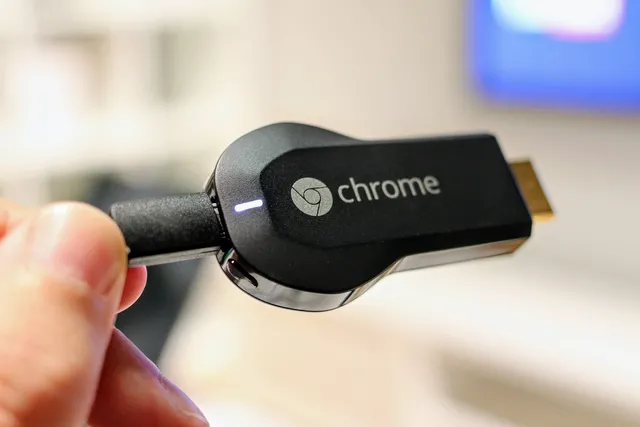
On July 24th, 2013, Google made a momentous announcement by introducing the Chromecast, a $35 streaming stick that had the potential to change the way we consume media. Its impact wasn’t entirely clear, and skeptics noted it seemed like a me-too product, given that Apple’s AirPlay and Miracast were already in the market. However, the Chromecast turned out to be a game-changer, offering users the ability to stream content from popular platforms like Netflix and YouTube directly to their TV screens at an affordable price.

The success of the Chromecast was further solidified when it became an impulse buy for many, making its way into countless households and even becoming a common stocking stuffer. By providing a convenient and affordable streaming solution, Google pioneered the era of streaming gadgets as must-have accessories for modern entertainment consumption. The Chromecast’s popularity was further boosted by the subsequent releases of similar products like Amazon’s Fire Stick and Roku’s Streaming Stick, which followed the same streaming stick concept.
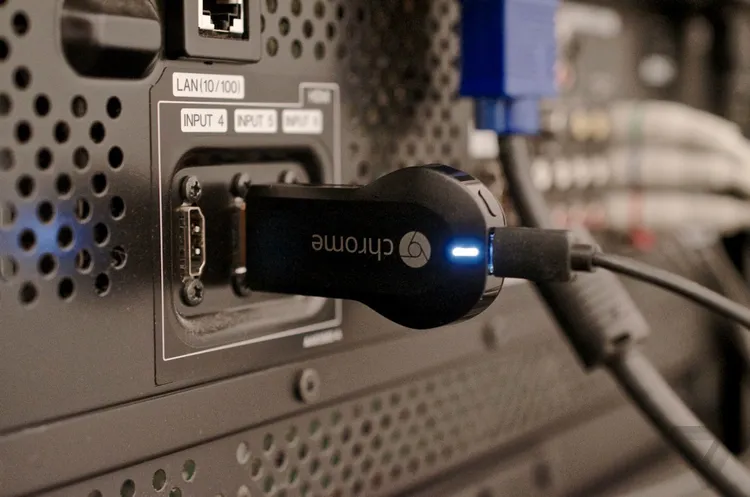
Over the years, the Chromecast received significant updates and improvements, culminating in the 2020 release that featured a full-fledged remote and support for 4K playback, including Dolby Vision and Atmos, making it an even more attractive option for users. Introducing the remote meant users were no longer solely dependent on their phones and laptops to cast content, enhancing the overall user experience.

Despite its undeniable success, the Chromecast wasn’t without its challenges. Early iterations posed a few obstacles for users, with some experiencing glitches and occasional difficulty with the casting feature. However, Google’s commitment to continuous improvement ensured that Chromecast remained relevant and sought-after over the years.
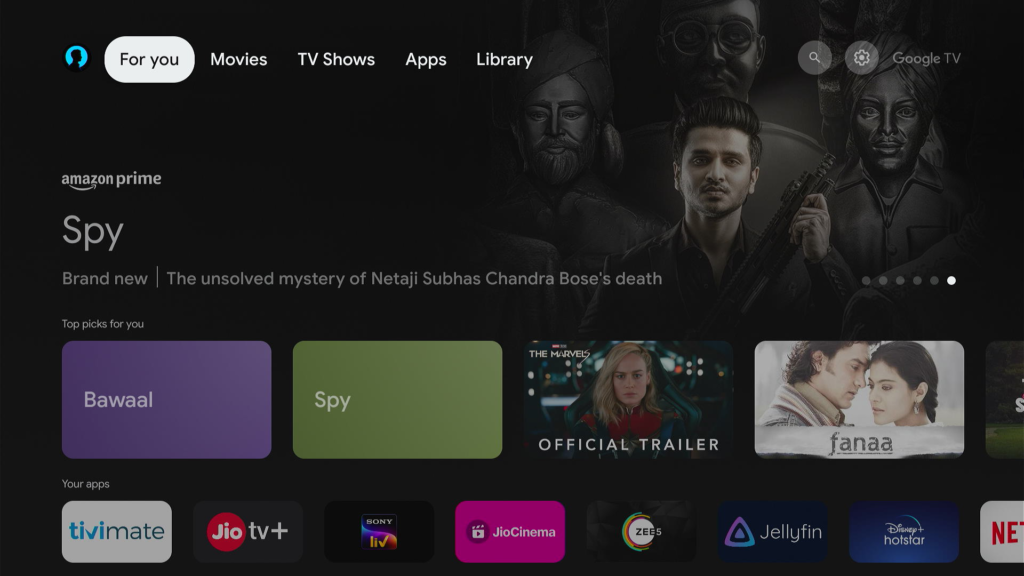
As time went on, the market became more competitive, with other companies offering budget-friendly streaming options, but the Chromecast had already made its mark, becoming an integral part of streaming video in countless households. Its impact was acknowledged by placing it at No. 39 in the “gadgets of the decade” list, as it helped make streaming video a normal part of everyday life.

While there were cheaper alternatives available, Chromecast’s original concept of simple casting had a lasting influence. Nowadays, streaming sticks from various manufacturers boast similar casting capabilities, and there is even talk of Matter, a standard aiming to unify smart home devices, including streaming gadgets.

One intriguing aspect of Chromecast’s legacy is its origin story, which centers around Google engineer Majd Bakar’s idea in 2008. After witnessing his wife’s frustration with switching between her laptop and game console to watch movies on the big screen, Bakar pitched the concept to Google sometime between 2011 and 2012, setting the wheels in motion for the development of the Chromecast.

The Chromecast has left a significant impact on how we consume media, bringing streaming technology into the mainstream and becoming a key player in the evolution of home entertainment. Its legacy continues to evolve, and it remains an enduring symbol of innovation in the digital age.

ADVERTISEMENT
RECOMMENDED
NEXT UP

Apple’s entry-level iPad has just become its most compelling deal ever, dropping to a **record-low price of 299∗∗(normally299∗∗(normally349) at major retailers including Amazon, Walmart, and Best Buy. For anyone needing a reliable, no-frills tablet for everyday tasks—streaming, web browsing, light productivity, and video calls—this is one of the best tech bargains of the year.

What’s New in the 11th-Gen iPad?

Compared to its predecessor, Apple’s latest budget iPad brings meaningful upgrades that make it a much better long-term investment:

✔ A16 Bionic Chip – The same processor powering the iPhone 14, delivering smoother performance for multitasking and apps.
✔ 128GB Base Storage – Double the 64GB of the 10th-gen model—no more constant storage anxiety.
✔ 11-inch Liquid Retina Display – More screen space for movies, reading, and productivity.
✔ Improved 12MP Front Camera – Better for Zoom calls and FaceTime.
✔ USB-C Apple Pencil Support – Great for note-taking and light creative work.

Who Should Buy This iPad?

✅ Students – Perfect for note-taking (with Apple Pencil), research, and streaming lectures.
✅ Casual Users – Ideal for browsing, social media, and video streaming.
✅ Remote Workers – A solid secondary device for emails, Slack, and video calls.
✅ Families – A durable, long-lasting tablet for kids’ entertainment and learning.

What You’re Missing (And Why It Might Not Matter)

As Apple’s most affordable tablet, the 11th-gen iPad lacks some premium features:

❌ No Apple Intelligence (AI Features) – Only newer iPads (Pro, Air) support Apple’s upcoming AI tools.
❌ No Apple Pencil Pro Support – The USB-C Pencil works fine, but you miss extras like Find My and squeeze gestures.
❌ Non-Laminated Display – Slightly thicker bezels and less premium feel than the iPad Air.

But here’s the thing: If you just need a fast, dependable tablet without the bells and whistles, these omissions won’t affect your experience.

Is This the Best Budget Tablet in 2024?

iPad vs. The Competition

Feature11th-Gen iPad ($299)Samsung Galaxy Tab S9 FE ($399+)Amazon Fire Max 11 ($229)
PerformanceA16 Bionic (Very Fast)Exynos 1380 (Mid-Range)Mediatek (Basic)
Display11″ Liquid Retina10.9″ LCD11″ LCD
Stylus SupportUSB-C Apple PencilS Pen IncludedNo Precision Stylus
SoftwareiPadOS (5+ Years Updates)One UI (Slower Updates)Fire OS (Limited Apps)
Best ForAll-around useAndroid fansPrime Video & Kindle users

Verdict: If you want long-term software support, better performance, and Apple ecosystem benefits, the iPad is still the best value.

Final Recommendation

For $299, the 11th-gen iPad is a no-brainer for casual users. It’s fast enough for daily tasks, has great battery life, and will receive updates for years. Unless you need AI features or a pro-level stylus, this is the best cheap iPad deal right now.

In a major win for smart home enthusiasts, SwitchBot has announced plans to integrate over 45 of its products with Home Assistant in the first half of 2024. This move, confirmed in an email to The Verge, underscores SwitchBot’s commitment to interoperability and user flexibility in the rapidly evolving smart home ecosystem. Among the highlighted devices is the highly anticipated SwitchBot Hub 3, which was recently revealed in a filing with the Connectivity Standards Alliance.

What’s New in SwitchBot’s Home Assistant Integration?

SwitchBot’s integration rollout, set to begin in April, will include some of its most popular devices, such as:

  • Robot Vacuum K10 Plus Pro: A powerful cleaning solution that can now be seamlessly controlled via Home Assistant.
  • Curtain 3 Smart Shades: Automate your window treatments with precision and ease.
  • Garage Door Opener: Add your garage to your smart home network for enhanced security and convenience.

These new integrations will join existing SwitchBot devices like the SwitchBot Lock Pro, which already supports Home Assistant. This expansion not only enhances the functionality of SwitchBot’s ecosystem but also solidifies its position as a leader in the smart home industry.

Why This Matters for Home Assistant Users

Home Assistant, an open-source platform beloved by tech-savvy users, thrives on its ability to unify devices from various brands under one roof. However, integrations with major smart home players can often be fragile. Companies sometimes make undocumented software changes or actively block third-party integrations, leaving users frustrated.

SwitchBot’s proactive approach to integrating its devices with Home Assistant is a breath of fresh air. By officially supporting these integrations, SwitchBot ensures a stable, reliable, and user-friendly experience. This is particularly important for Home Assistant users who value customization and control over their smart home setups.

The Bigger Picture: A Shift Toward Open Ecosystems

SwitchBot’s announcement reflects a growing trend in the smart home industry: the push for open ecosystems and interoperability. As more consumers demand seamless integration across devices, companies like SwitchBot are stepping up to meet these expectations. This move not only benefits users but also fosters innovation and competition in the market.

For Home Assistant users, this means greater flexibility and fewer headaches. Instead of relying on fragile community-created integrations, they can now enjoy official support for a wide range of SwitchBot devices. This is a win for both convenience and reliability.

What’s Next for SwitchBot and Home Assistant?

With the first wave of integrations launching in April, users can look forward to a more cohesive and powerful smart home experience. The inclusion of devices like the Robot Vacuum K10 Plus Pro and Curtain 3 Smart Shades demonstrates SwitchBot’s dedication to enhancing everyday life through technology.

As the smart home landscape continues to evolve, partnerships like this one between SwitchBot and Home Assistant will play a crucial role in shaping the future of connected living. For now, smart home enthusiasts have plenty to be excited about as SwitchBot brings its innovative products into the Home Assistant fold.

ADVERTISEMENT
Receive the latest news

Subscribe To Our Weekly Newsletter

Get notified about new articles