If you’ve been following the latest buzz in the tech world, you’ve probably heard whispers about NVIDIA’s RTX 6000. Is it the next big thing in GPU technology, or just another rumor fueled by speculation and wishful thinking?
In this article, we’ll dive deep into the question: Is the RTX 6000 real? We’ll explore the rumors, analyze the facts, and provide expert insights to help you separate hype from reality. Whether you’re a gamer, a content creator, or a tech enthusiast, this guide will give you a clear understanding of what’s going on—and what it means for the future of GPUs.
What is the RTX 6000?
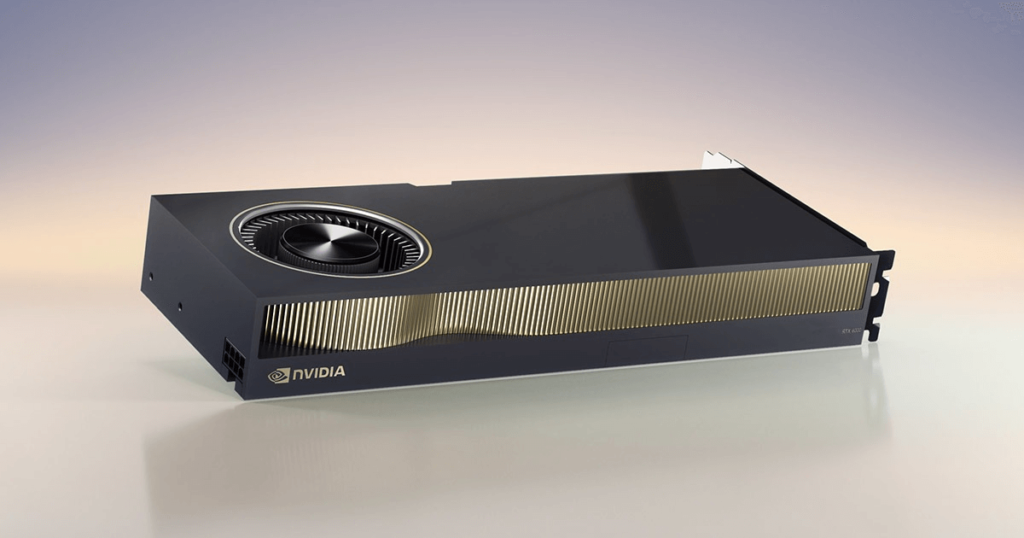
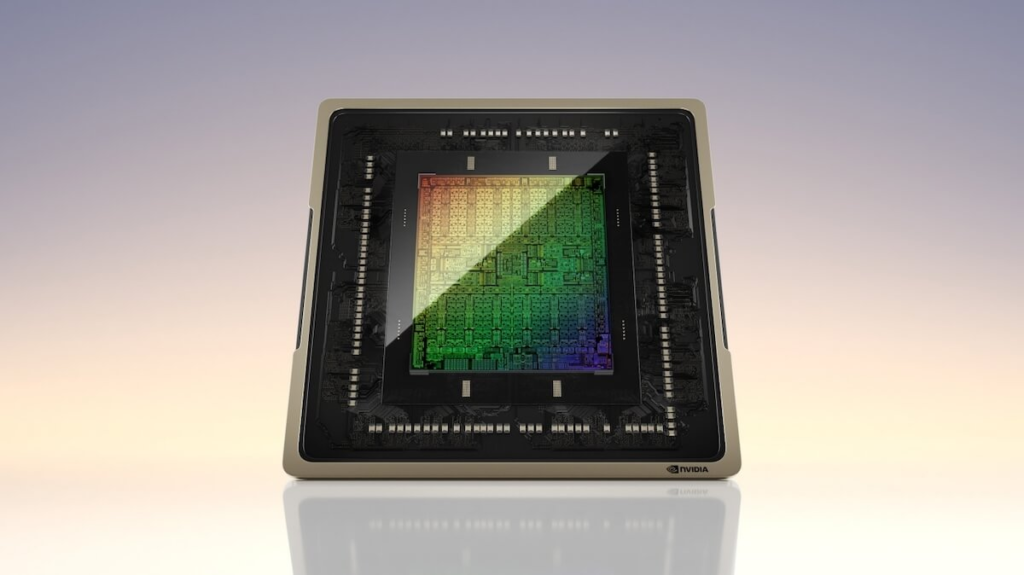
Before we dive into whether the RTX 6000 is real, let’s clarify what we’re talking about. The RTX 6000 is rumored to be NVIDIA’s next-generation professional-grade GPU, designed for tasks like 3D rendering, AI development, and scientific computing. It’s expected to be part of NVIDIA’s Ada Lovelace or Blackwell architecture, depending on the timeline.
But here’s the catch: NVIDIA hasn’t officially announced the RTX 6000. So, is it real, or just a product of the rumor mill? Let’s break it down.
The Origins of the RTX 6000 Rumors
The rumors about the RTX 6000 started gaining traction in early 2023, fueled by a combination of leaks, industry speculation, and NVIDIA’s historical product cycles. Here’s a timeline of how the rumors unfolded:
- Early 2023: Tech forums and social media began buzzing about a potential RTX 6000 GPU, with some users claiming to have insider information.
- Mid-2023: Leaked benchmarks and spec sheets started circulating online, suggesting that the RTX 6000 would be a powerhouse for professional workloads.
- Late 2023: Industry analysts and tech influencers weighed in, adding credibility to the rumors and sparking even more interest.
While these rumors are intriguing, it’s important to approach them with a healthy dose of skepticism. Let’s look at the evidence.
Is the RTX 6000 Real? The Evidence
1. NVIDIA’s Product Cycle
NVIDIA has a history of releasing new GPUs every 18 to 24 months. The RTX 40 series (based on the Ada Lovelace architecture) launched in late 2022, which means the next generation could arrive in late 2024 or early 2025. This timeline aligns with the rumored release of the RTX 6000.
2. Leaked Specs
Several leaks have suggested that the RTX 6000 will feature:
- 24,576 CUDA cores (a significant jump from the RTX 4090’s 16,384 cores)
- 48GB of GDDR6X memory
- PCIe 5.0 support
- Advanced ray tracing and AI capabilities
While these specs sound impressive, they haven’t been confirmed by NVIDIA.
3. Industry Insights
Tech analysts like Jon Peddie and Moore’s Law Is Dead have hinted at the existence of a high-end professional GPU in NVIDIA’s pipeline. However, they’ve also cautioned that details are still speculative.
Why the RTX 6000 Matters
If the RTX 6000 is real, it could have a major impact on several industries. Here’s why it matters:
1. Professional Workloads
The RTX 6000 is rumored to be a workstation GPU, designed for tasks like 3D rendering, video editing, and AI development. For professionals in these fields, it could mean faster workflows, higher-quality outputs, and the ability to tackle more complex projects.
2. Gaming
While the RTX 6000 is primarily aimed at professionals, its technology could trickle down to consumer GPUs, benefiting gamers with improved performance and new features.
3. AI and Machine Learning
NVIDIA’s GPUs are widely used in AI research, and the RTX 6000 could take this to the next level. With its rumored AI capabilities, it could accelerate breakthroughs in fields like natural language processing, computer vision, and autonomous driving.
Real-Life Applications of the RTX 6000
To understand the potential impact of the RTX 6000, let’s look at some real-world scenarios where this GPU could shine:
1. 3D Animation and Rendering
Imagine creating blockbuster-quality animations in a fraction of the time. The RTX 6000’s rumored specs could make this a reality, enabling artists to push the boundaries of creativity.
2. Scientific Research
From simulating climate models to analyzing genetic data, the RTX 6000 could accelerate scientific research, leading to faster discoveries and innovations.
3. AI Development
AI researchers could use the RTX 6000 to train larger, more complex models, paving the way for advancements in fields like healthcare, finance, and robotics.
Challenges and Considerations
While the RTX 6000 sounds like a game-changer, there are a few challenges and considerations to keep in mind:
1. Price
Professional-grade GPUs are notoriously expensive, and the RTX 6000 is expected to be no exception. Some estimates suggest a price tag of $5,000 or more, putting it out of reach for many users.
2. Power Consumption
High-performance GPUs often come with high power demands. The RTX 6000 is rumored to have a TDP of 500W or more, which could require specialized cooling solutions.
3. Availability
NVIDIA’s high-end GPUs often face supply shortages at launch, leading to inflated prices on the secondary market. If you’re planning to buy an RTX 6000, be prepared to act fast.
Expert Insights: What the Pros Are Saying
To add credibility to our discussion, let’s look at what industry experts and analysts are saying about the RTX 6000:
- Jon Peddie, President of Jon Peddie Research: “NVIDIA’s next-gen professional GPUs are expected to focus on AI and ray tracing performance, which could redefine the workstation market.”
- Moore’s Law Is Dead (YouTube Tech Analyst): “The RTX 6000 could be a game-changer for professionals, but it’s going to come with a hefty price tag and power requirements.”
- Tom’s Hardware: “Based on NVIDIA’s roadmap, the RTX 6000 is likely to feature significant architectural improvements, making it a must-have for professionals.”
How to Prepare for the RTX 6000
If you’re excited about the RTX 6000 and want to be ready for its launch, here are a few tips:
1. Save Up
With an expected price tag of $5,000 or more, the RTX 6000 won’t be cheap. Start saving now to avoid sticker shock.
2. Upgrade Your Workstation
Make sure your workstation can handle the RTX 6000’s power and cooling requirements. Consider upgrading your power supply, case, and cooling system if necessary.
3. Stay Informed
Keep an eye on NVIDIA’s official announcements and trusted tech news sources for the latest updates on the RTX 6000.
Frequently Asked Questions (FAQs)
1. Will the RTX 6000 be worth the upgrade?
If you’re a professional who needs the best performance for tasks like 3D rendering, video editing, or AI development, the RTX 6000 will likely be worth the upgrade. For casual users, consumer-grade GPUs may still suffice.
2. What will the RTX 6000 cost?
While NVIDIA hasn’t announced pricing, experts predict the RTX 6000 could cost $5,000 or more.
3. When will the RTX 6000 be released?
The RTX 6000 is expected to launch in late 2024 or early 2025, based on NVIDIA’s product cycle.
4. What industries will benefit the most from the RTX 6000?
Industries like 3D animation, scientific research, and AI development are expected to benefit the most from the RTX 6000’s rumored capabilities.
Conclusion: The Future of Professional GPUs
The RTX 6000 is shaping up to be one of the most exciting GPUs in recent memory. With its rumored performance gains, next-gen architecture, and AI capabilities, it has the potential to redefine what’s possible in professional workloads.
While we’ll have to wait for official details from NVIDIA, one thing is clear: the RTX 6000 is a glimpse into the future of computing. Whether you’re a professional, a researcher, or a tech enthusiast, this GPU is worth keeping on your radar.
So, is the RTX 6000 real? The answer is a resounding yes—and it’s going to be a game-changer. Stay tuned for more updates, and start preparing for the next evolution in GPU technology.
By staying informed and planning ahead, you’ll be ready to harness the power of the RTX 6000 when it finally arrives. Whether you’re chasing the ultimate professional performance or pushing the boundaries of innovation, this GPU could be your ticket to the future.