Nintendo is officially moving into a new era. In its just-posted financial results briefing, the gaming giant confirmed that it’s shifting its main development efforts to the Nintendo Switch 2, a decisive move away from the original 2017 Switch that rebooted the company’s fortunes.
“Going forward, we will shift our primary development focus to Nintendo Switch 2 and expand our business around this new platform,” Nintendo said during its briefing.
The announcement effectively signals that the Nintendo Switch’s eight-year reign is beginning to wind down, even if the company isn’t ready to retire the console completely just yet.
Switch Still in Stores, But Support Will Gradually Fade
Nintendo pointed out that it would also continue to sell the original Switch hardware for the foreseeable future, adjusting its production and marketing strategy “in line with consumer demand and business conditions.” But the writing is on the wall: as developers shift their focus, new releases for the older system will inevitably slow.
The company sought to reassure fans that various major titles were still planned for the Switch, with launches from October onwards: these may include final first-party releases or updates to existing franchises aimed at keeping the system’s large player base engaged as the next generation gains momentum.
Sell Switch 2 Off to a Strong Start
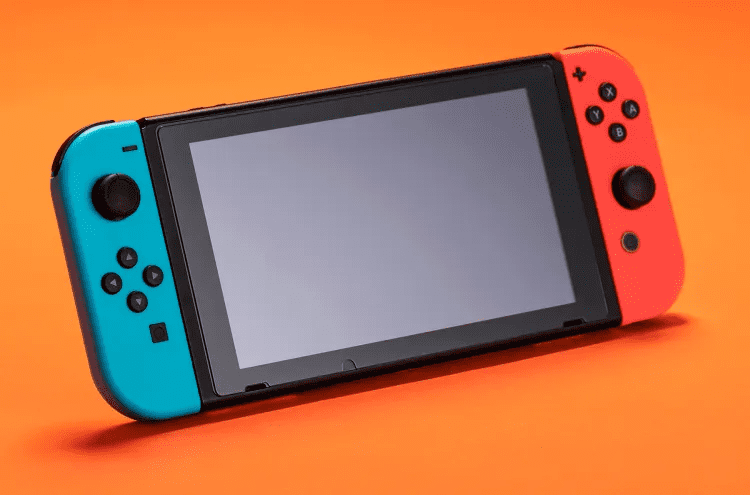
Off to an amazing start despite still having a few months into its lifecycle, the Nintendo Switch 2 has already sold over 10.36 million units worldwide since its launch back in June, according to data from Nintendo.
Notably, 84 percent of buyers were existing Switch owners — a clear sign that the new console is attracting loyal fans upgrading to the next generation rather than drawing in entirely new users. While that number still represents a fraction of the original Switch’s staggering 154 million lifetime sales, the company says it’s observing a “uniform migration” toward the newer platform.
This is in line with what has been happening in all major console transitions: early adoption is driven by the existing user base before the wider audience starts buying.
The Legacy of the Nintendo Switch
When the Nintendo Switch launched in March 2017, it marked a revolutionary hybrid console that combined handheld portability with the more traditional style of home gaming. It quickly became one of Nintendo’s most successful systems to date, revitalizing the company from underperforming sales of the Wii U and an era-defining lineup of games that included The Legend of Zelda: Breath of the Wild, Super Mario Odyssey, and Animal Crossing: New Horizons.
The versatility and affordability of the system helped it capture an immense audience worldwide, crossing over 154 million units in lifetime sales, making it the third-best-selling console in history after the PlayStation 2 and Nintendo DS.
What’s Next for the Switch 2
While Nintendo has not talked about all the technical details of Switch 2, reports and leaks indicate that it has a more powerful chipset, faster loading times, and increased graphical capabilities-all of which would draw Nintendo closer to the level of visual fidelity shown in their competitors, the PlayStation 5 and Xbox Series X.
This generational shift is pivotal for Nintendo-a balance between paying homage to a record-breaking legacy and forging ahead with innovation. While the company has managed transitions quite well in the past, with the original Switch still performing well in markets such as Japan and Europe, Nintendo faces the challenge of gradually sunsetting one of its most beloved consoles without alienating its vast player community. The message, as the Switch 2 gains even more momentum, is clear: the future of Nintendo is already here — and it’s building on the base of one of the most successful consoles ever made.
There are also rumors that the backward compatibility will be improved, allowing existing Switch owners to carry forward their digital libraries. With a larger OLED display combined with an enhanced Joy-Con design, the new console seems set to deliver performance and comfort upgrades in equal measure.
Analysts anticipate the Switch 2 will be the leader of the 2025 gaming cycle, especially with expected first-party games such as Metroid Prime 4, The Legend of Zelda sequel projects, and maybe new Mario entries already in development for the console.