Techfullpost

How to Prevent and Resolve Roku Overheating Issues

roku overheating/techfullnews

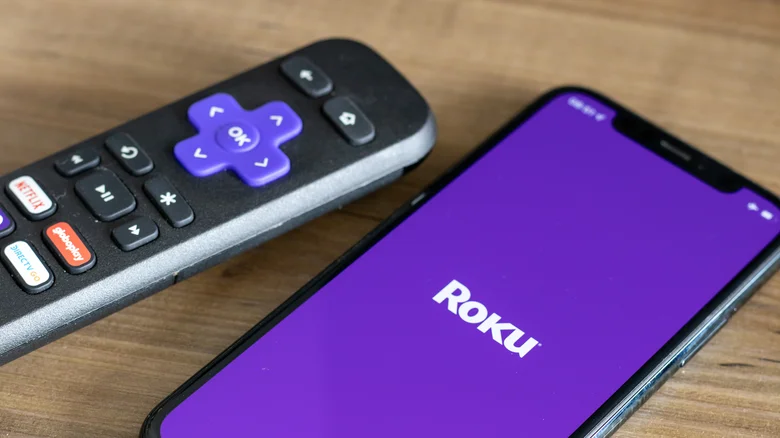
It’s important to address any overheating in your electronic devices promptly to prevent potential damage. But how can you tell if your Roku device is overheating? Identifying the signs and taking quick action can help protect your device and extend its lifespan.

How to Recognize Roku Overheating

One of the easiest ways to check for overheating is by touching your device. If your Roku feels unusually warm, even when it’s idle, this could indicate a problem. This is especially true if the device’s indicator lights aren’t functioning correctly, as heat could be interfering with its components.

Even if the device isn’t physically hot, it might still exceed its ideal temperature. That’s where the indicator light comes in handy. Normally, a white light means the device is ready for use, while a flashing red light signals insufficient power. If the light turns solid red, it’s a clear warning from Roku that the device is overheating.

You may also notice an overheating alert on your TV screen. Typically, this message appears in the upper-right corner and serves as an early warning. Some devices are programmed to display this alert before the temperature becomes dangerously high, giving you a chance to act quickly.

What to Do If Your Roku Overheats

If your Roku device shows signs of overheating, follow these steps to resolve the issue:

Disconnect the Device Immediately

Unplug your Roku from the power source to stop it from getting hotter.

Allow It to Cool Down

Let the device rest for at least 10 minutes to cool off. If it’s still warm, wait a bit longer before turning it back on.

Inspect Cables and Adapters

Ensure you’re using the original cables and adapters provided with your Roku device. Third-party accessories may not be fully compatible, which can lead to overheating or internal damage over time. If you need replacements, it’s best to purchase them directly from Roku’s official store.

Restart the Device

After the device has cooled, power it back on. If it doesn’t work properly, repeat the cooling process and reassess its setup.

Tips to Prevent Roku Overheating

Taking preventive measures can help keep your Roku operating safely. Here’s what you can do:

Keep It Out of Direct Sunlight

Placing your Roku in direct sunlight can cause it to overheat. Always position it in a shaded or cool area.

Ensure Proper Ventilation

Avoid putting your Roku in enclosed spaces like cabinets, drawers, or entertainment units with limited airflow. Proper ventilation is crucial to dissipate heat effectively.

Avoid Heat-Generating Devices

Don’t place your Roku on top of or near other electronics, such as gaming consoles or computers, which generate heat and can contribute to overheating.

Use an HDMI Extender

If space is an issue, consider using a free HDMI extender offered by Roku. This allows you to position your device in a better-ventilated area. You can request one on Roku’s official website.

When Overheating Persists

If your device continues to overheat despite taking these precautions, there may be an underlying issue.

Contact Roku Support

Reach out to Roku’s customer support team for help. If your device is still under warranty, you might qualify for a replacement.

Check Warranty and Return Policies

Roku typically allows returns within 30 days for products bought directly from their website. Warranty coverage can extend up to a year, but it’s essential to confirm the details for your specific device, especially if purchased through a third party.

Consider an Upgrade

Older Roku devices may naturally degrade over time due to wear and tear. If your device frequently overheats, upgrading to a newer model might be a more practical solution.

Explore Other Streaming Options

If it’s time to replace your Roku, there are plenty of alternatives available. Devices like Apple TV, Google TV, and Amazon Fire TV provide excellent streaming experiences with advanced features and exclusive content.

Overheating can be a hassle, but it’s manageable with the right approach. By understanding the signs, taking immediate action, and maintaining a suitable environment for your Roku, you can safeguard its performance. Preventive care ensures your device stays in top condition, allowing you to enjoy seamless streaming for years to come.
ADVERTISEMENT
RECOMMENDED
NEXT UP

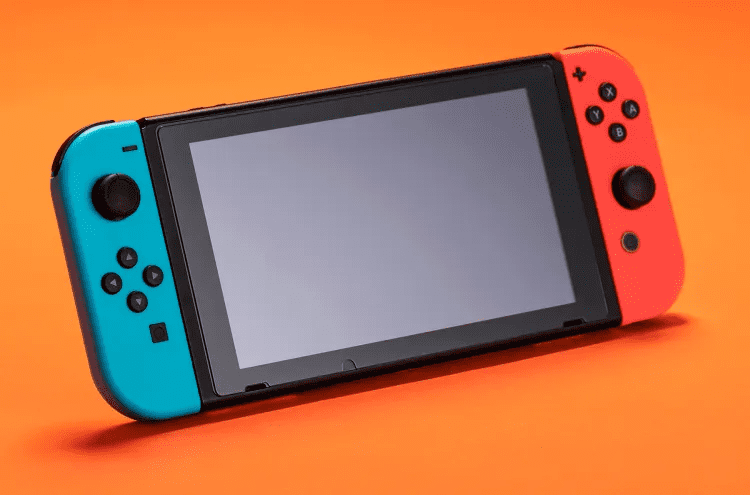
Nintendo is officially moving into a new era. In its just-posted financial results briefing, the gaming giant confirmed that it’s shifting its main development efforts to the Nintendo Switch 2, a decisive move away from the original 2017 Switch that rebooted the company’s fortunes.

“Going forward, we will shift our primary development focus to Nintendo Switch 2 and expand our business around this new platform,” Nintendo said during its briefing.

The announcement effectively signals that the Nintendo Switch’s eight-year reign is beginning to wind down, even if the company isn’t ready to retire the console completely just yet.

Switch Still in Stores, But Support Will Gradually Fade

Nintendo pointed out that it would also continue to sell the original Switch hardware for the foreseeable future, adjusting its production and marketing strategy “in line with consumer demand and business conditions.” But the writing is on the wall: as developers shift their focus, new releases for the older system will inevitably slow.

The company sought to reassure fans that various major titles were still planned for the Switch, with launches from October onwards: these may include final first-party releases or updates to existing franchises aimed at keeping the system’s large player base engaged as the next generation gains momentum.

Sell Switch 2 Off to a Strong Start

Off to an amazing start despite still having a few months into its lifecycle, the Nintendo Switch 2 has already sold over 10.36 million units worldwide since its launch back in June, according to data from Nintendo.

Notably, 84 percent of buyers were existing Switch owners — a clear sign that the new console is attracting loyal fans upgrading to the next generation rather than drawing in entirely new users. While that number still represents a fraction of the original Switch’s staggering 154 million lifetime sales, the company says it’s observing a “uniform migration” toward the newer platform.

This is in line with what has been happening in all major console transitions: early adoption is driven by the existing user base before the wider audience starts buying.

The Legacy of the Nintendo Switch

When the Nintendo Switch launched in March 2017, it marked a revolutionary hybrid console that combined handheld portability with the more traditional style of home gaming. It quickly became one of Nintendo’s most successful systems to date, revitalizing the company from underperforming sales of the Wii U and an era-defining lineup of games that included The Legend of Zelda: Breath of the Wild, Super Mario Odyssey, and Animal Crossing: New Horizons.

The versatility and affordability of the system helped it capture an immense audience worldwide, crossing over 154 million units in lifetime sales, making it the third-best-selling console in history after the PlayStation 2 and Nintendo DS.

What’s Next for the Switch 2

While Nintendo has not talked about all the technical details of Switch 2, reports and leaks indicate that it has a more powerful chipset, faster loading times, and increased graphical capabilities-all of which would draw Nintendo closer to the level of visual fidelity shown in their competitors, the PlayStation 5 and Xbox Series X.

This generational shift is pivotal for Nintendo-a balance between paying homage to a record-breaking legacy and forging ahead with innovation. While the company has managed transitions quite well in the past, with the original Switch still performing well in markets such as Japan and Europe, Nintendo faces the challenge of gradually sunsetting one of its most beloved consoles without alienating its vast player community. The message, as the Switch 2 gains even more momentum, is clear: the future of Nintendo is already here — and it’s building on the base of one of the most successful consoles ever made.

There are also rumors that the backward compatibility will be improved, allowing existing Switch owners to carry forward their digital libraries. With a larger OLED display combined with an enhanced Joy-Con design, the new console seems set to deliver performance and comfort upgrades in equal measure.

Analysts anticipate the Switch 2 will be the leader of the 2025 gaming cycle, especially with expected first-party games such as Metroid Prime 4, The Legend of Zelda sequel projects, and maybe new Mario entries already in development for the console.

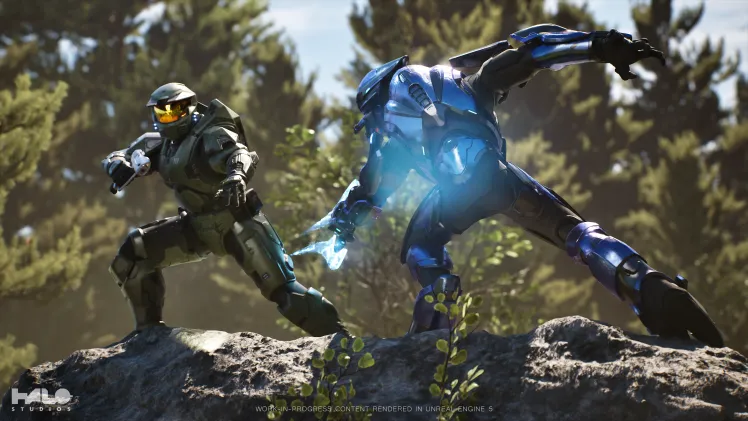
A few years ago, the idea that Halo — the game that is synonymous with Xbox’s brand name — would be making a move to a PlayStation console would have been something akin to a parallel universe. But in 2025, that extremely unlikely truth is playing itself out. What was the pinnacle of the exclusivity of Xbox is now the most glaring sign that Microsoft’s gaming division is undergoing a ginormous transformation — one driven by survival, strategy, and the changing nature of the gaming industry.

From Locked Walls to Open Doors

Xbox’s previously locked-down environment is collapsing quickly. The company has been systematically knocking down its walls of exclusivity, inviting its biggest franchises into competition. What once was an experiment with smaller titles like Grounded and Pentiment on Nintendo Switch and Hi-Fi Rush and Sea of Thieves on PlayStation 5 has turned into a risky, multi-platform gamble.

Now, Microsoft’s biggest franchises — Indiana Jones and The Great Circle, Senua’s Saga: Hellblade II, Gears of War, and soon Halo — are not just “Xbox games.” They’re trans platform, cross-device gaming experiences.

It’s not really a software change but a change on what Xbox is in 2025. As Xbox executive Sarah Bond told Mashable, “The biggest games in the world are available everywhere. The idea of locking games to one store or one device is antiquated for most people.”

And she’s right — accessibility is the way to success. Sony’s report of May sales shows that Xbox-published titles like Indiana Jones, The Elder Scrolls V: Oblivion Remastered, and Forza Horizon 5 topped the highest downloads on PlayStation 5. Even Microsoft-owned games like Call of Duty: Black Ops 6 and Minecraft top charts across platforms.

The Business Behind the Shift

The transition away from Xbox consoles is not philosophical — it’s practical. Xbox hasn’t been able to compete with PlayStation and Nintendo in console hardware sales. Subscription growth of Xbox Game Pass has crested, and the formerly bright hope of “Netflix for games” is vanishing in the face of saturation and rising cost.

Even as it is, American tariff policies are driving console costs higher, turning the earlier trend of hardware getting cheaper by the day on its head. In an era where customers are prioritizing utility over entertainment indulgences, Microsoft’s Play Anywhere and Cloud Gaming initiatives become lifelines — allowing players to experience games on devices they already own.

“We’re trying to meet people where they are,” said Matt Booty, president of Xbox Game Content and Studios, in a New York Times interview. That means making Xbox more than a console — it’s a brand that spans PCs, TVs, mobile devices, and rival systems.

But comfort for die-hards is that Xbox isn’t abandoning hardware altogether. Bond suggested that the next-gen console will be “a very premium, high-end curated experience.” As Microsoft launched its pricey ROG Ally handhelds, it’s clear that the company remains committed to keeping one foot firmly in the high-end gaming market.

Trouble Beneath the Surface

But beneath this high-flying reorganization, Xbox is in turmoil. The company has shut down a number of studios, including Arkane Austin and Tango Gameworks — the former being the developer of fan favorite Hi-Fi Rush. High-profile titles like Perfect Dark and Everwild have been quietly canceled, and Fable’s much-hyped reboot has been delayed until 2026.

Even Halo Infinite, the one that was meant to reignite the franchise, failed critically and commercially. And so, now that the original Halo franchise is being released on PlayStation in an enhanced form, the fans cannot help but wonder: is this an expansion or a white flag?

Simultaneously, The Elder Scrolls VI persists in development purgatory six years after it was first revealed, and Fallout — with renewed hype due to Amazon’s hit TV show adaptation — has not seen a significant new game release in years. Todd Howard’s promise that Fallout 5 is “eventually coming” fails to assuage the skepticism.

Internal Strains and Image Problems

A recent Bloomberg article discovered that Microsoft set its gaming division a disputed 30% profit margin target, leading to unpopular actions such as increasing Game Pass prices and shutting down various studios.

The company’s new ROG Ally handhelds, priced at $600 to $1,000, have also been panned as too pricey and half-baked. Ironically enough, during a company town hall meeting, Booty highlighted “smaller, prestige games that win awards” — the day after shutting down the studio responsible for one of the handful of games that fit that description.

Microsoft has also been criticized for its global reputation. The firm was targeted by the BDS movement for alleged ties to Israeli defense practices and was confronted by worker demonstrations over its AI transactions with the Israeli regime. Perhaps most recently, Xbox’s Halo franchise found itself embroiled in scandal when the U.S. Department of Homeland Security used its imagery in a highly criticized ICE recruitment ad — an ad that Microsoft declined to comment on.

The Future of Xbox: Platform Over Console

Despite all the madness, Halo’s PlayStation debut isn’t the death of Xbox — it’s a redefinition of what Xbox is in 2025. Old-school “console war” among Sony, Nintendo, and Microsoft is over. The real war now is in time and attention — with platforms like TikTok, Fortnite, Roblox, and YouTube battling for large slices of gamers’ free time.

Microsoft’s new strategy welcomes that reality: to survive, Xbox must succeed everywhere. And that means embracing its competitors instead of fighting them.

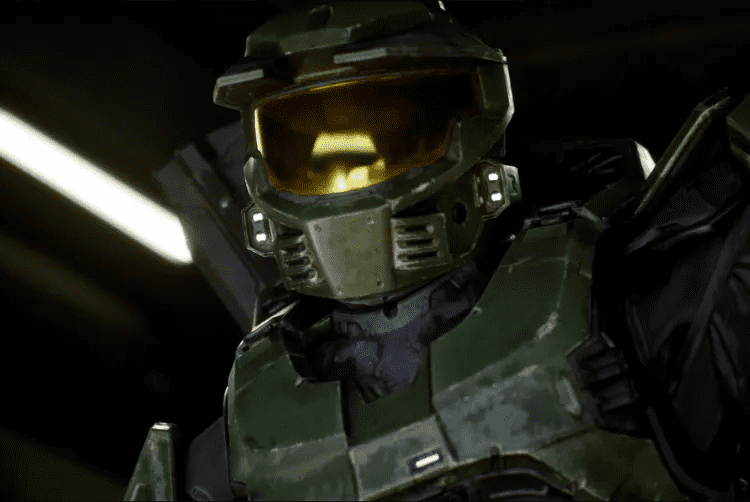
So yes, seeing Master Chief — the iconic mascot of Xbox — on a PlayStation screen is surreal. But it is also representative of an industry evolving beyond old boundaries.

As the new chapter in gaming is written, Microsoft’s agility can be its salvation. Xbox will not perhaps capture the hardware war, but in the battle for the attention of gamers, it is positioning itself to stay in the game for many a long year to come.

ADVERTISEMENT
Receive the latest news

Subscribe To Our Weekly Newsletter

Get notified about new articles